Appreciate Your Blessings Before They Are Gone: Detective Mohamed Amen Delivers Friday Message on Gratitude and Compassion
The khutbah highlighted life's changing blessings, stressing that dignity is not defined by wealth or status, and gratitude is shown through actions and helping others.

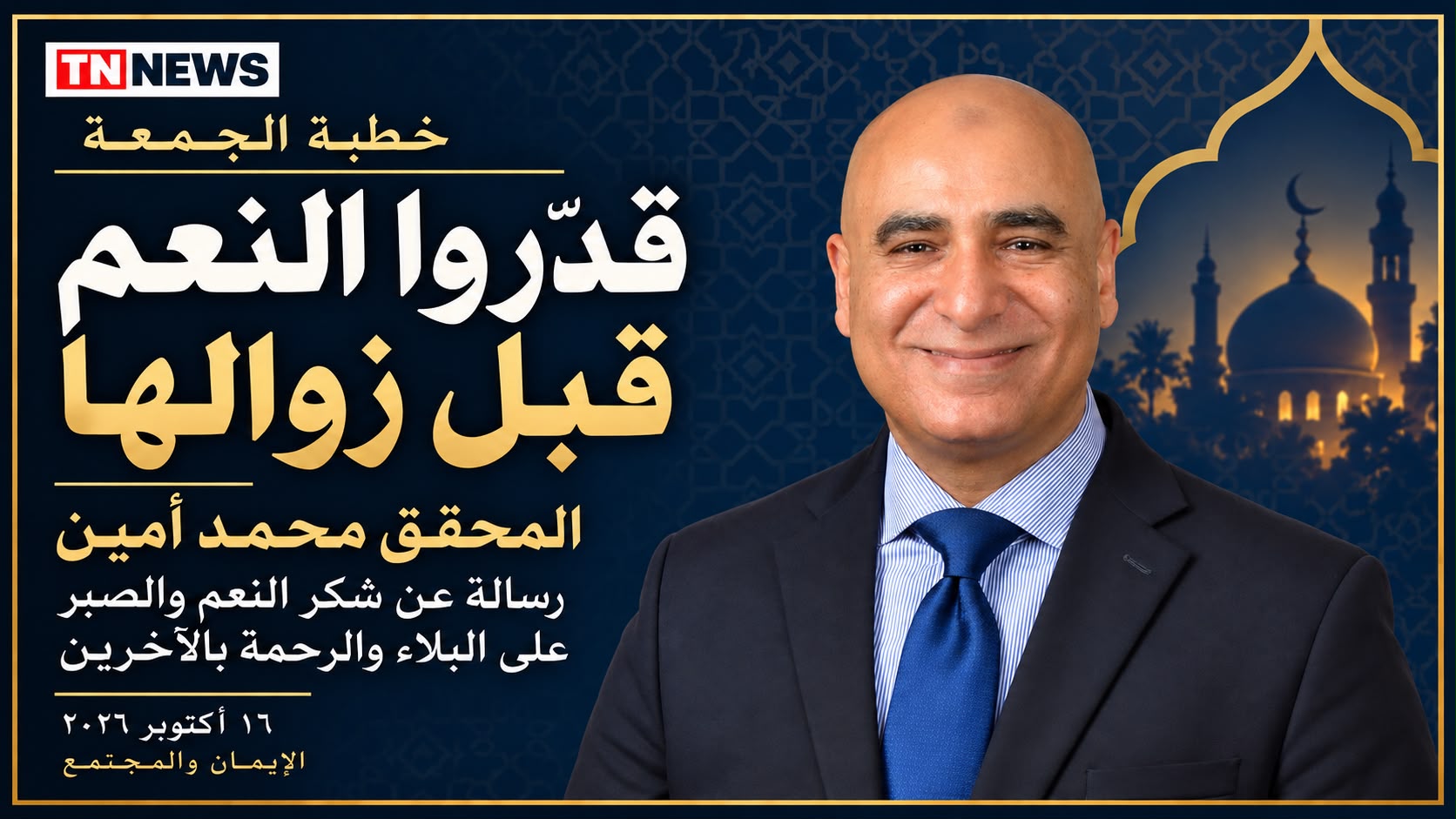
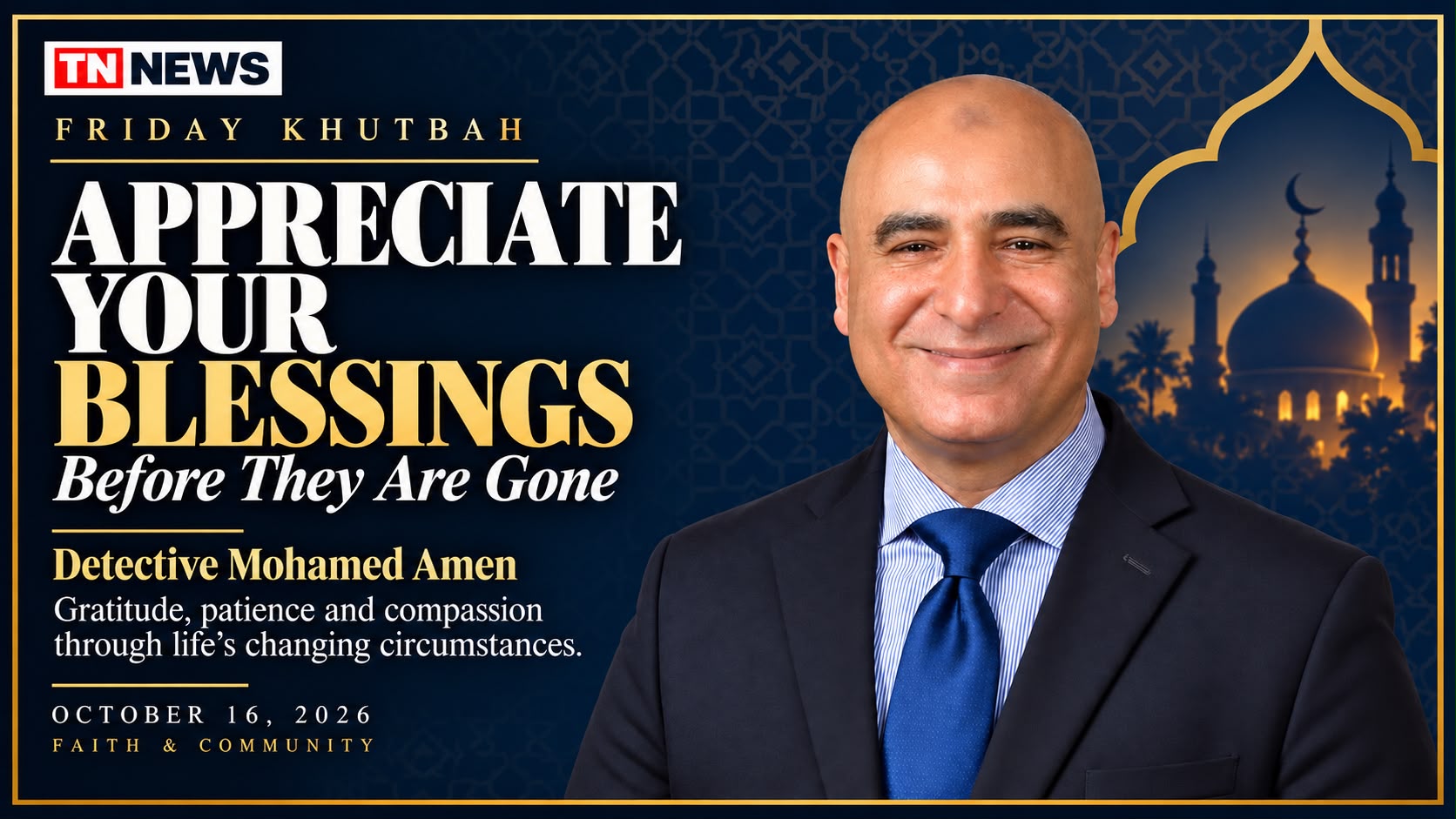
Detective Mohamed Amen’s Friday khutbah carried a reminder that reached into everyday life: appreciate your health, your family, your security, and your peace of mind while you still have them.
Through Quranic passages, prophetic teachings, and examples of changing fortunes, Amen explored gratitude, patience, and the responsibility to help others. His message asked worshippers to consider both their relationship with Allah and their treatment of people facing illness, poverty, grief, or uncertainty.
A central point ran throughout the sermon: hardship should never automatically be viewed as divine punishment, and material success should never automatically be viewed as evidence of divine approval.
A prayer about the things people fear losing
Amen centered the khutbah on a supplication of Prophet Muhammad, peace and blessings be upon him, seeking protection from the disappearance of Allah’s blessings, the withdrawal of well-being, sudden punishment, and divine displeasure.
He explained how this brief prayer brings together some of the deepest human fears: becoming ill, falling into poverty, losing loved ones, and seeing familiar circumstances change unexpectedly.
Well-being, he reminded worshippers, includes health, safety, financial stability, family, and peace of mind. Its withdrawal can mean moving from comfort into struggle, from security into fear, or from physical strength into illness.
The prayer offered a way to acknowledge those fears while turning toward Allah for protection and guidance.
The everyday blessings people overlook
Amen began by drawing attention to blessings that can become almost invisible through familiarity.
Waking up able to move, finding food on the table, returning home to family, being able to pray, and sleeping safely are experiences that many people take for granted.
Yet each can become deeply precious when it is threatened or lost.
He referred to the prophetic teaching recorded in Sahih al-Bukhari, identifying health and free time as two blessings that many people fail to appreciate.
The reminder encouraged worshippers to think about their available strength and time: the opportunity to worship, work, care for relatives, repair a relationship, or help someone may be present today without being guaranteed tomorrow.
Citing Quran 16:18, Amen also reminded listeners that Allah’s blessings are too numerous to count.
Do not wait for loss to teach appreciation
The khutbah turned to how people sometimes understand a blessing only after it disappears.
A person may recognize the value of health from a hospital bed. Someone who once lived comfortably may understand the importance of steady provision only after struggling to pay for daily needs.
Amen applied the same reflection to parents and loved ones.
He spoke about the longing for one more conversation, another embrace, or another chance to hear a parent’s voice. His message encouraged people to value those relationships while the opportunity remains.
The warning was about allowing years to pass without recognizing what is already present.
Health, companionship, safety, and peace of mind deserve gratitude before their absence makes their value painfully clear.
When someone who once gave needs help
Discussing changing financial circumstances, Amen described how people who once owned businesses, properties, and considerable wealth can eventually find themselves struggling.
A person who previously supported others may become the one who needs assistance. Someone accustomed to substantial resources may begin counting what is needed to get through the day.
These examples underlined the uncertainty of worldly success.
They also introduced a responsibility toward people whose lives have changed: their financial position may be different, but their dignity remains.
Amen cautioned worshippers against allowing prosperity to produce arrogance or another person’s poverty to produce judgment.
Wealth and poverty do not reveal a person’s standing before Allah
Drawing on Quran 89:15–17, Amen addressed the assumption that abundance necessarily means Allah has honored someone, while restricted provision means humiliation.
He explained that both prosperity and hardship can be tests.
Wealth brings responsibilities concerning gratitude, honesty, generosity, and the use of influence. Hardship may require patience, perseverance, and continued trust in Allah.
Someone experiencing poverty should not automatically be regarded as a person being punished. Equally, wealth alone does not establish righteousness.
The emphasis was on faith and character, including the choices people make with what they have and the way they respond when circumstances change.
Qarun and the danger of arrogance
Amen illustrated the danger of pride through the Quranic account of Qarun.
Drawing from Surah Al-Qasas, he recalled Qarun’s extraordinary treasures, whose keys were described as burdensome even for a group of strong men.
Despite that abundance, Qarun credited his wealth to his own knowledge.
When he displayed his luxury, some people wished they possessed the same fortune. Those with knowledge reminded them that Allah’s reward was better for people who believed and performed righteous deeds.
The account ended with Qarun and his home being swallowed by the earth, his wealth unable to protect him.
Amen used the story to warn against forgetting the source of one’s blessings. Possessions and influence can encourage a false sense of security when they are accompanied by arrogance.
The account also challenged the habit of measuring success through appearances. A life that attracts admiration may still contain serious failures of gratitude and responsibility.
Gratitude must be visible in actions
Throughout the khutbah, Amen connected gratitude to practical conduct.
Giving thanks includes helping people in need, feeding the hungry, treating those facing poverty with respect, and using influence to support others.
He cited Quran 14:7 on gratitude and increase, while stressing that gratitude does not guarantee a life without trials.
Prophets and righteous people experienced hardship despite their devotion. The message therefore encouraged thankfulness without suggesting that faithful people will be protected from every illness, financial loss, or bereavement.
Amen also drew on sayings attributed to early Muslim scholars about appreciating blessings before they disappear.
The lesson extended to relationships and opportunities. Some things may never return in the same form, particularly moments with parents and loved ones.
Remaining steady through life’s changes
The khutbah included poetry attributed to Imam Al-Shafi‘i, encouraging patience, acceptance of Allah’s decree, generosity, and faithfulness.
Amen reminded worshippers that worldly circumstances change.
Health and wealth are not guaranteed, while poverty and illness do not necessarily last forever. Hope in Allah’s mercy remains essential through those changes.
His reflections encouraged people to preserve their character during difficulty and remain humble during ease.
The same person may experience both conditions at different stages of life.
Sudden hardship calls for reflection, not judgment
Amen also addressed the speed with which life can change.
People leave home expecting to return. Families make plans without knowing what the next day will bring.
But he made clear that an unexpected tragedy should not automatically be declared a punishment. Within the sermon’s religious explanation, trials may purify sins and raise a believer’s spiritual rank.
His instruction was to examine one’s own responsibilities: seek forgiveness, repair relationships, return what belongs to others, and address wrongs while there is still time.
Rather than speculate about another person’s suffering, worshippers were encouraged to consider what needed correcting in their own lives.
True wealth includes peace of mind
In the second part of the khutbah, Amen turned to the prophetic teaching that true wealth lies in richness of the soul.
He contrasted a person with substantial possessions who cannot sleep peacefully with someone living modestly who experiences gratitude and contentment.
A fortune can coexist with constant fear of loss. A smaller income can coexist with a heart that is at peace.
The reflection encouraged listeners to consider their inner condition alongside their material circumstances.
Amen continued to ask Allah for health, safety, and provision, while emphasizing the importance of faith and contentment.
Respect people after their circumstances change
One of the sermon’s clearest instructions concerned people who lose money, strength, or social standing.
Amen urged worshippers not to mock someone who becomes poor, look down on someone who becomes weak, or forget the dignity of a person who loses a respected position.
He asked listeners to consider whether someone else’s hardship also tests the people around them: will they extend a hand or turn away?
Referring to the teaching in Sahih Muslim that Allah helps His servant as long as the servant helps another, he connected faith to practical solidarity.
Respect should continue when someone no longer possesses influence or resources.
Turn your blessings into help for others
Amen described several ways people can use their circumstances to benefit others.
Those with financial means can support people in need. Those with health can assist someone who is ill. Those with influence can stand beside vulnerable people. Those with knowledge can teach.
The message gave everyone a responsibility according to what they could offer.
Service was presented as an expression of gratitude: recognizing a blessing includes using it to ease someone else’s burden.
Gratitude in family life and work
The khutbah also connected gratitude to familiar daily responsibilities.
Amen encouraged maintaining prayer, honoring parents, preserving family ties, supporting the poor, being trustworthy at work, and conducting business honestly.
These examples brought the sermon’s themes into ordinary decisions.
Appreciation of Allah’s blessings becomes visible in how people treat relatives, colleagues, customers, and those who depend on them.
He also encouraged worshippers to ask Allah for forgiveness and well-being, referring to a prophetic supplication recorded in Sunan Abi Dawud.
People should not wish for hardship to demonstrate their faith, he explained. They should ask for safety, remain patient when difficulty comes, and give thanks when relief arrives.
Prayers for those carrying difficult burdens
The closing supplications remembered people facing illness, worry, debt, poverty, loneliness, and grief.
Amen prayed for healing for the sick, relief for those burdened by debt, provision for the poor, and comfort for those who feel alone.
The prayers extended to people experiencing hunger, homelessness, and fear, asking for food, shelter, and safety.
He also asked Allah to grant grateful hearts, patience during trials, and sincerity in serving others.
These supplications reinforced the concern for vulnerable people that ran throughout the khutbah.
Remembering parents and loved ones who have died
A personal section of the closing prayers remembered parents and departed loved ones whose voices are no longer heard at home but whose memories remain.
Amen prayed for forgiveness and mercy for his father and mother, acceptance of the khutbah as a righteous deed, and reunion in the highest Paradise.
He extended prayers to all deceased Muslims and asked for a good ending to life.
The remembrance returned to the sermon’s earlier message about appreciating family while the opportunity remains.
The khutbah concluded with Quran 16:90, reminding worshippers of Allah’s commands concerning justice, good conduct, and generosity toward relatives, and the prohibition of wrongdoing and oppression.
TN News thanks Detective Mohamed Amen for a Friday message encouraging gratitude, humility, and compassion—and for reminding the community to recognize its blessings while using them to support others.
News You Should See
P&G Raises Fiscal 2027 Cost Warning as Oil and Freight Expenses Threaten Profits
Chemical Tank Leak in Toledo Triggers Evacuations and Industrial Disruptions
Judge Sets December 11 Deadline for Trump Deposition in BBC Defamation Case
Iowa Senate Race Tests How Far Republicans Can Separate Themselves From Trump
California State Workers Strike Over Pay, Healthcare and Return-to-Office Rules
Streaming’s October Showdown: How Disney, Netflix and Major Entertainment Brands Compete for Audiences
Latest News
Procter & Gamble expects commodity, energy and transportation costs to reduce fiscal 2027 profit by $1.4 billion. Quarterly sales rose 4% to $23.28 billion, beating analyst expectations.
A ruptured chemical tank in Toledo, Ohio, prompted evacuations, school closures and an industrial shutdown. Authorities have reduced the restricted zone as the release slows and cleanup preparations continue.
A federal judge has ordered Donald Trump to give a deposition by December 11, 2026, in his $10 billion lawsuit against the BBC, with possible sanctions for noncompliance as the discovery deadline approaches.
Iowa’s 2026 Senate race pits Republican Ashley Hinson, balancing Trump support with economic concerns, against Democrat Josh Turek, who emphasizes bipartisanship amid rising campaign spending.
Thousands of California state workers struck on October 21 over a proposed three-year pay increase, healthcare costs and a four-day office attendance requirement as contract negotiations continued.
October 2026 brings major entertainment releases across Disney+, Netflix, HBO Max, Hulu, Prime Video and Peacock. Explore how familiar franchises, exclusive programming, new music and video games shape competition for streaming audiences.
Saudia advises travelers to book flights through Al Qassim Airport for Riyadh connections, offering free hourly shuttle buses in both directions until further notice.
An AP-NORC poll shows Democratic confidence in accurate vote counting falling to 55%, while Republican confidence rises to 38%, highlighting election integrity concerns ahead of the 2026 US midterms.
Donald Trump campaigns in North Carolina ahead of the November 2026 midterms as low approval ratings, rising fuel costs, Democratic early-voting gains and funding disparities challenge Republican efforts to retain control of Congress.