AUC Hosts Industry Leaders for High-Level Dialogue on Biotech Innovation and Healthcare Investment
AUC connects students with healthcare and biotech leaders through an insightful discussion on entrepreneurship, investment, and innovation.

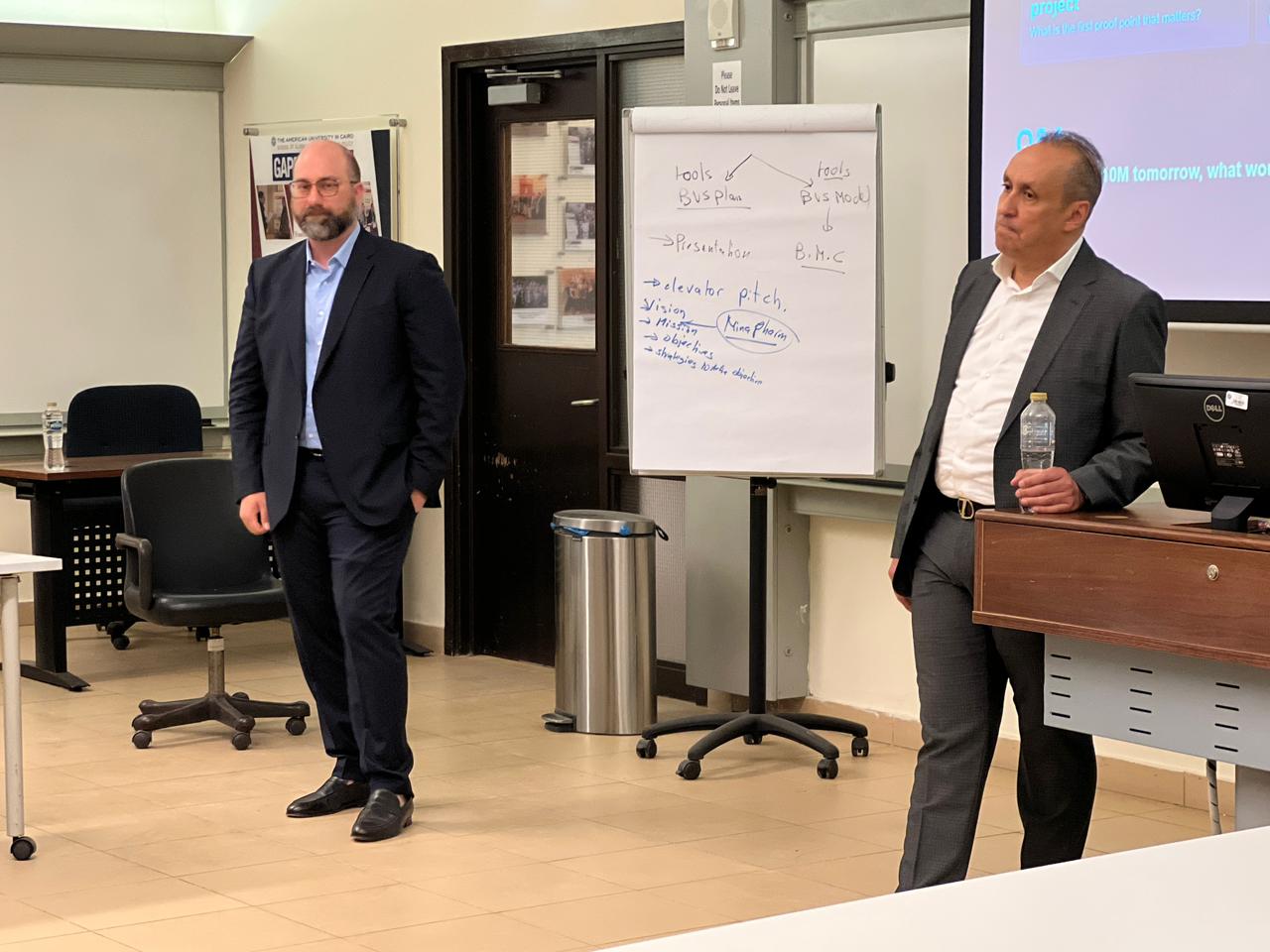
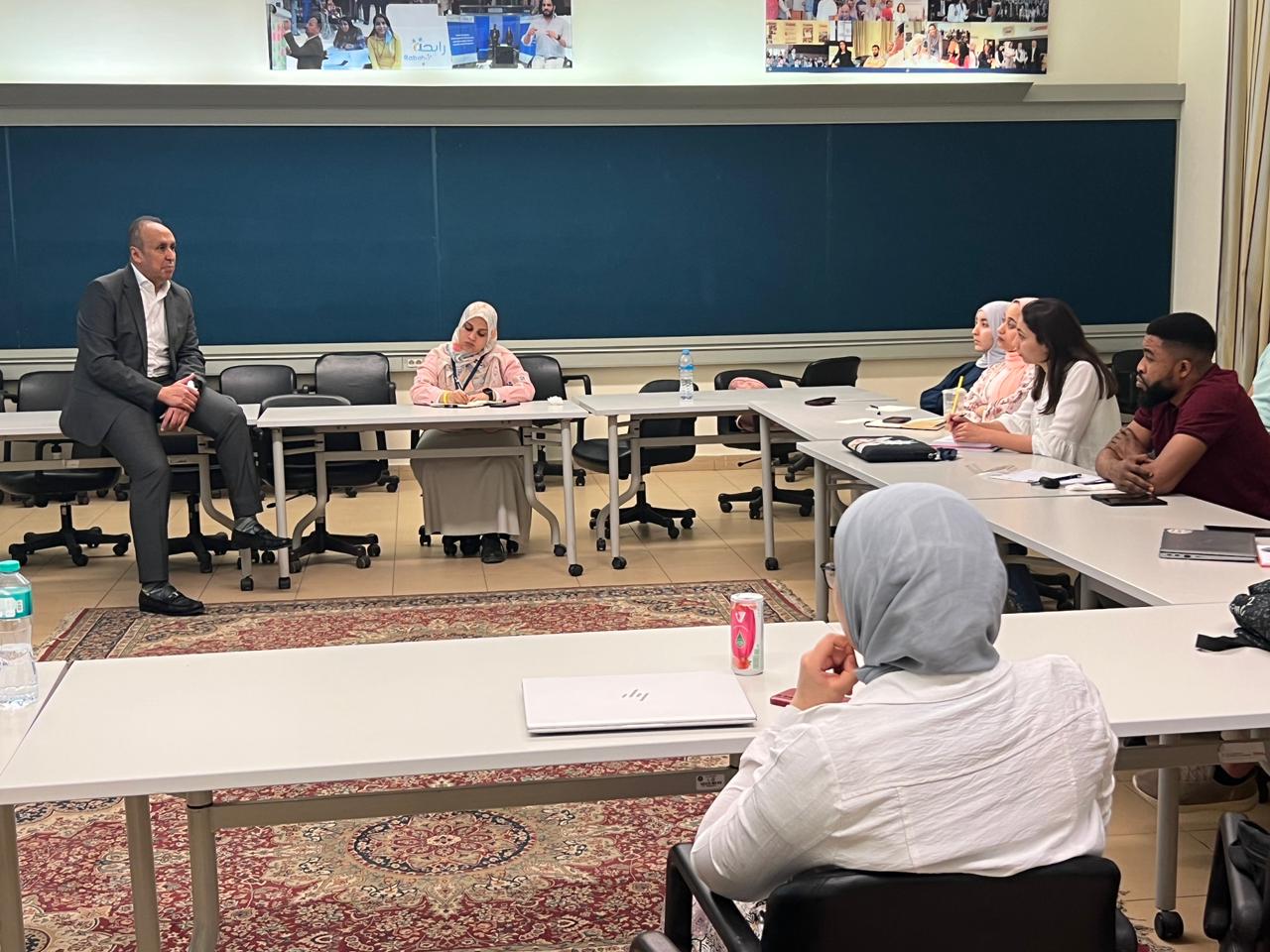
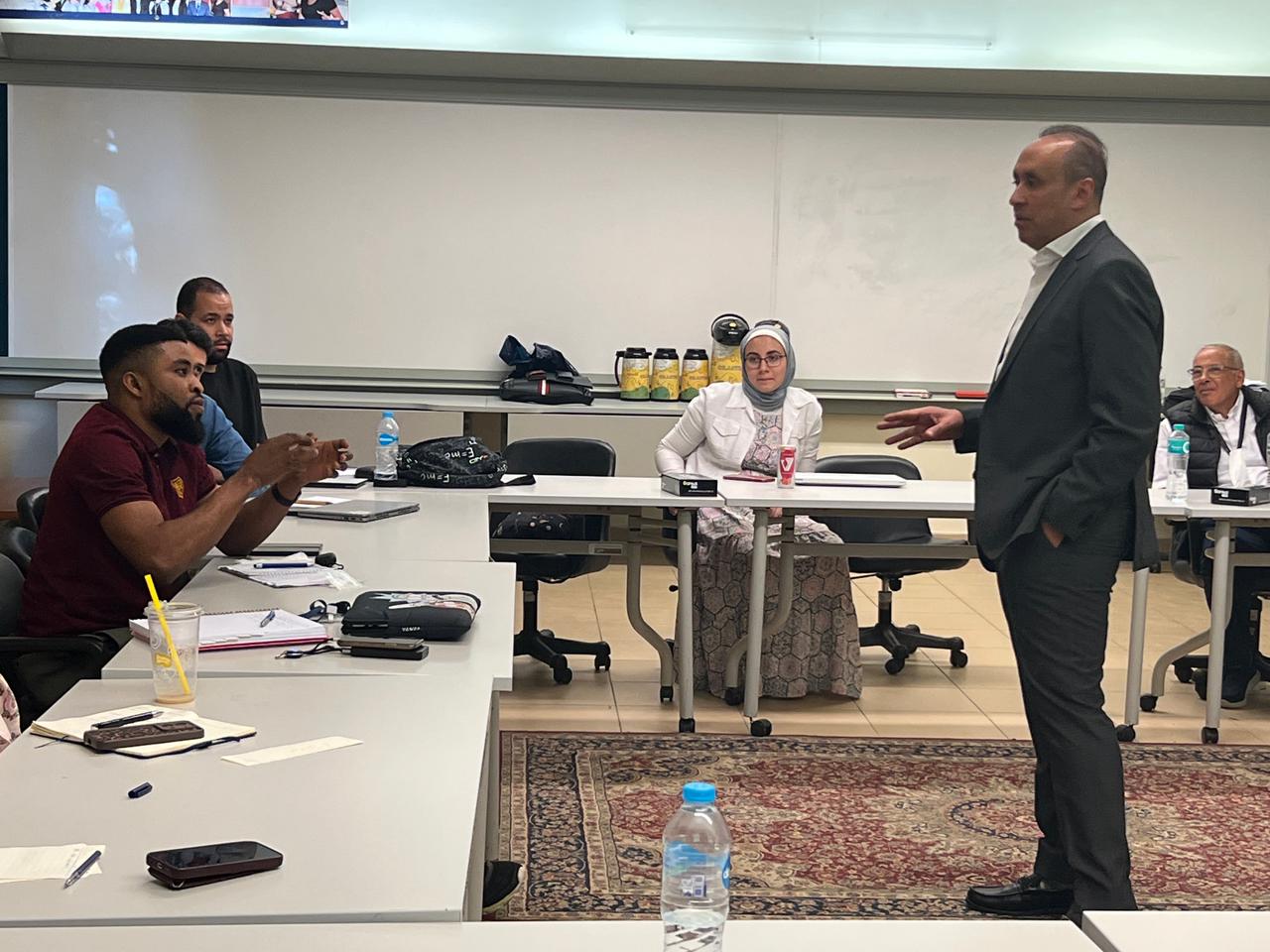
AUC Brings Industry Leaders to the Forefront: Dr. Hossam Maksoud Leads Insightful Dialogue on Biotech Innovation and Healthcare Investment
Cairo, Egypt — The American University in Cairo (AUC) convened a distinguished and highly impactful session offering students an in-depth, real-world perspective on biotechnology entrepreneurship, healthcare innovation, and the global pharmaceutical investment landscape.
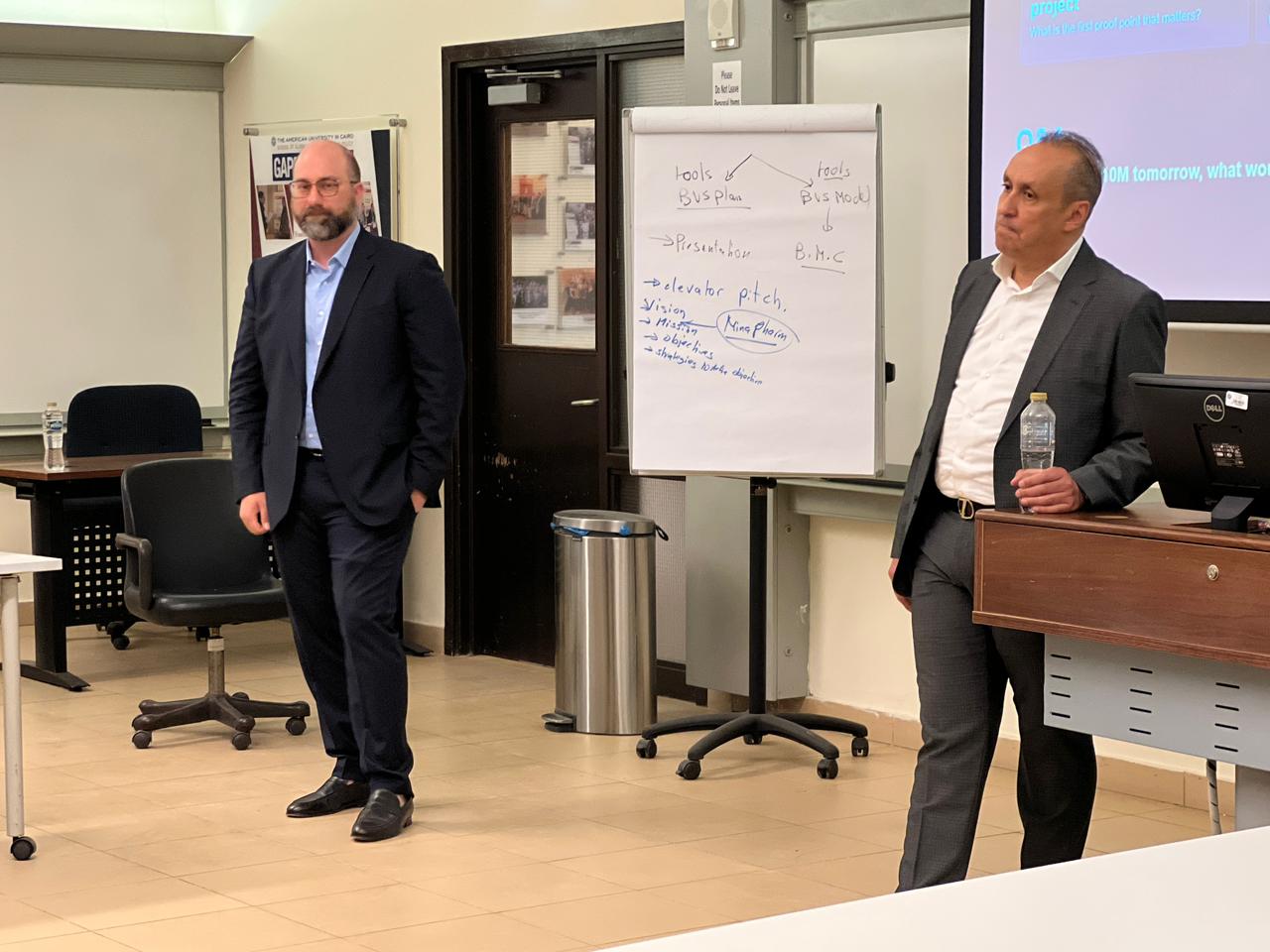
The session was led by Dr. Hossam Maksoud, Chief Executive Officer of Dawah Pharma, alongside Nicholas Vartanian, Chief Business Officer at Dawah Healthcare Investment UK. Together, they delivered a comprehensive discussion that extended well beyond theoretical frameworks, focusing on the practical foundations required to build scalable, investment-ready healthcare ventures.
Dr. Maksoud and Mr. Vartanian addressed critical components of the entrepreneurial journey, including market dynamics, regulatory complexities, risk management, capital acquisition, and execution strategies. Particular emphasis was placed on understanding investor expectations and the key criteria that determine the viability and scalability of emerging healthcare and biotech ventures.
A notable dimension of the session was its cross-market perspective, integrating insights from both the Egyptian and United States healthcare ecosystems. This comparative approach provided attendees with a broader, more strategic understanding of how innovation can be translated into tangible, high-impact solutions across diverse regulatory and economic environments.
Grounded in real-world experience, the discussion offered students a clear and practical framework for navigating the challenges of entrepreneurship within the biotech and healthcare sectors. It also highlighted the increasing importance of innovation-driven leadership in shaping the future of global healthcare.
TNN will continue to highlight and follow such high-caliber academic and industry collaborations that contribute meaningfully to developing the next generation of leaders in science, healthcare, and entrepreneurship.
News You Should See
P&G Raises Fiscal 2027 Cost Warning as Oil and Freight Expenses Threaten Profits
Chemical Tank Leak in Toledo Triggers Evacuations and Industrial Disruptions
Judge Sets December 11 Deadline for Trump Deposition in BBC Defamation Case
Iowa Senate Race Tests How Far Republicans Can Separate Themselves From Trump
California State Workers Strike Over Pay, Healthcare and Return-to-Office Rules
Streaming’s October Showdown: How Disney, Netflix and Major Entertainment Brands Compete for Audiences
Latest News
Procter & Gamble expects commodity, energy and transportation costs to reduce fiscal 2027 profit by $1.4 billion. Quarterly sales rose 4% to $23.28 billion, beating analyst expectations.
A ruptured chemical tank in Toledo, Ohio, prompted evacuations, school closures and an industrial shutdown. Authorities have reduced the restricted zone as the release slows and cleanup preparations continue.
A federal judge has ordered Donald Trump to give a deposition by December 11, 2026, in his $10 billion lawsuit against the BBC, with possible sanctions for noncompliance as the discovery deadline approaches.
Iowa’s 2026 Senate race pits Republican Ashley Hinson, balancing Trump support with economic concerns, against Democrat Josh Turek, who emphasizes bipartisanship amid rising campaign spending.
Thousands of California state workers struck on October 21 over a proposed three-year pay increase, healthcare costs and a four-day office attendance requirement as contract negotiations continued.
October 2026 brings major entertainment releases across Disney+, Netflix, HBO Max, Hulu, Prime Video and Peacock. Explore how familiar franchises, exclusive programming, new music and video games shape competition for streaming audiences.
Saudia advises travelers to book flights through Al Qassim Airport for Riyadh connections, offering free hourly shuttle buses in both directions until further notice.
An AP-NORC poll shows Democratic confidence in accurate vote counting falling to 55%, while Republican confidence rises to 38%, highlighting election integrity concerns ahead of the 2026 US midterms.
Donald Trump campaigns in North Carolina ahead of the November 2026 midterms as low approval ratings, rising fuel costs, Democratic early-voting gains and funding disparities challenge Republican efforts to retain control of Congress.