DOJ Threatens California Election Officials With Prosecution Over Disputed Voter Eligibility Claims
A federal lawsuit and a warning to local officials intensify the dispute over roughly 20,000 people identified by the Trump administration as potential noncitizen voters less than three weeks before the November 3 midterm elections.

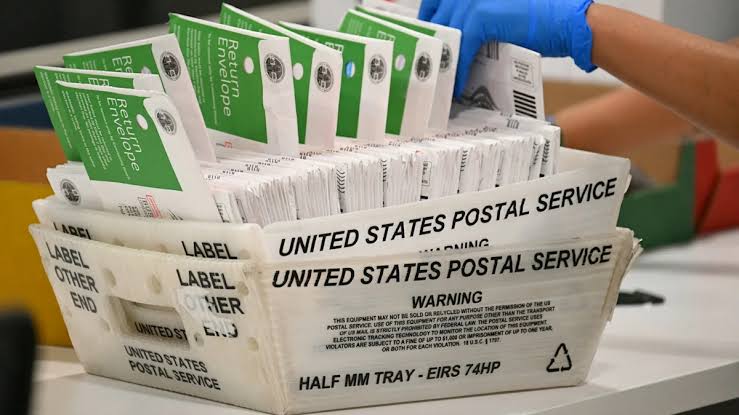
The dispute between the Trump administration and California over voter eligibility has entered a more confrontational phase, placing election administrators at the center of a legal battle just weeks before the November 3 midterm elections. The U.S. Department of Justice has warned that officials who knowingly process ballots attributed to suspected noncitizens could face criminal investigation and prosecution, adding individual legal exposure to an already contentious dispute between federal and state authorities.
The warning follows a federal lawsuit seeking to prevent California from counting mail ballots associated with approximately 20,000 people whom federal agencies have identified as likely noncitizens. The administration argues that the state should withhold those ballots until the individuals' immigration status can be verified. California officials, however, have questioned the basis for the federal assessment and said the government has not supplied sufficient evidence to substantiate its claims.
A dispute over verification and election administration
The latest warning was issued by Acting Deputy Attorney General Trent McCotter in a letter addressed to the Los Angeles County Counsel's Office and copied to California Secretary of State Shirley Weber and Los Angeles County Registrar Dean Logan. It stated that knowingly facilitating illegal voting could expose election officials to allegations of aiding and abetting a federal crime.
The letter followed the administration's decision to sue California after state officials did not meet a 48-hour deadline to review a password-protected drive containing the list of approximately 20,000 names. The federal government maintains that the individuals were sent ballots for the November election, while California's position is that the allegations remain unverified.
Los Angeles County's election administration has said its priority is to conduct a fair and secure election. Logan indicated that the dispute should be resolved through the courts rather than through competing assertions about voter eligibility.
The distinction between a suspected ineligible registration and a verified instance of unlawful voting is central to the case. A person appearing on a federal list is not, by that fact alone, proof that the individual is ineligible or has cast an illegal ballot. Establishing eligibility requires reliable records and appropriate verification procedures, particularly when an error could affect a qualified citizen's right to vote.
The wider federal campaign
The California case forms part of a broader federal effort to examine voter registration records and identify people suspected of being ineligible to vote. Earlier in the year, the administration sought detailed voter information from states, including dates of birth, addresses, driver's license numbers and partial Social Security numbers.
In July, Homeland Security Secretary Markwayne Mullin sent letters to California, Nevada, New Jersey and Pennsylvania alleging that as many as 250,000 noncitizens were registered across those states. The claims encountered skepticism from election officials. In Nevada, federal authorities had previously identified a group of approximately 1,500 suspected noncitizen registrants, but subsequent examination found no actual noncitizens among the identified registered voters.
That episode highlights a significant operational challenge for election authorities: comparing government databases does not automatically establish a person's current citizenship status or voting eligibility. Differences in records, outdated information and classification errors can create false matches, making independent verification essential before administrative action is taken.
The Justice Department has reported approximately 90 charges involving various forms of election misconduct so far in 2026, including 50 cases involving allegations of noncitizen voting. Those figures describe allegations and charges, not a finding that every case resulted in a conviction.
Legal authority and the limits of enforcement
The conflict also raises questions about the division of responsibility between federal authorities and state election administrators. Federal law prohibits noncitizens from voting in federal elections, but the administration's demand that California segregate ballots associated with suspected ineligible voters has prompted disagreement over the legal basis, timing and practical implementation of the request.
Election law specialists have questioned whether the government's approach would withstand judicial scrutiny, particularly when officials are being asked to act on allegations that the state says have not been adequately substantiated. The lawsuit and the warning letter now shift part of the dispute into the courts, where the parties will have to address the evidence supporting the federal claims and the authority to require the requested action.
The timing adds further complexity. Election Day is scheduled for November 3, and the federal warning arrived less than three weeks before voting concludes. California sends mail ballots to registered voters, and more than 23 million people are registered statewide. Reviewing large numbers of records under a compressed deadline can place substantial demands on election offices already responsible for ballot processing, voter assistance and election security.
Political implications extend beyond California
The dispute has national significance because California's congressional contests could help determine control of the U.S. House of Representatives. With the election approaching, disagreements over voter eligibility, ballot counting and federal oversight are becoming part of a broader political contest over election administration and public confidence.
President Donald Trump amplified the Justice Department's warning in a social media post, threatening lengthy prison sentences for officials involved. Democratic lawmakers, meanwhile, have urged the department to respect longstanding safeguards against federal interference in elections. Senators Alex Padilla, Sheldon Whitehouse and Dick Durbin called on Attorney General Todd Blanche to commit to not seizing ballots or other election materials before the midterm results are certified.
These competing positions create risks for the credibility of election administration. Federal authorities are seeking to demonstrate that voting restrictions are enforced, while California officials are emphasizing the need to protect eligible voters from being wrongly excluded. The outcome will depend in part on whether the disputed records can be verified and whether the courts accept the administration's interpretation of federal law.
What comes next
The immediate test is whether the federal government can establish a sufficient evidentiary basis for its claims and obtain judicial relief before the election process advances further. California, meanwhile, faces the task of maintaining established ballot procedures while responding to litigation and warnings directed at election personnel.
The case could influence how future disputes over voter registration data are handled, particularly when federal agencies request rapid changes to state election practices shortly before voting. It also underscores the importance of transparent verification methods, clear jurisdictional boundaries and safeguards against mistakenly classifying eligible citizens as ineligible.
For now, the federal allegations remain contested. The central legal and administrative question is not simply whether noncitizen voting is prohibited, but how authorities establish individual ineligibility, which officials have the power to act on that determination and what protections apply when the evidence is disputed. The answers could shape the balance between federal enforcement efforts and state control of election administration well beyond California's November midterms.
News You Should See
P&G Raises Fiscal 2027 Cost Warning as Oil and Freight Expenses Threaten Profits
Chemical Tank Leak in Toledo Triggers Evacuations and Industrial Disruptions
Judge Sets December 11 Deadline for Trump Deposition in BBC Defamation Case
Iowa Senate Race Tests How Far Republicans Can Separate Themselves From Trump
California State Workers Strike Over Pay, Healthcare and Return-to-Office Rules
Streaming’s October Showdown: How Disney, Netflix and Major Entertainment Brands Compete for Audiences
Latest News
Procter & Gamble expects commodity, energy and transportation costs to reduce fiscal 2027 profit by $1.4 billion. Quarterly sales rose 4% to $23.28 billion, beating analyst expectations.
A ruptured chemical tank in Toledo, Ohio, prompted evacuations, school closures and an industrial shutdown. Authorities have reduced the restricted zone as the release slows and cleanup preparations continue.
A federal judge has ordered Donald Trump to give a deposition by December 11, 2026, in his $10 billion lawsuit against the BBC, with possible sanctions for noncompliance as the discovery deadline approaches.
Iowa’s 2026 Senate race pits Republican Ashley Hinson, balancing Trump support with economic concerns, against Democrat Josh Turek, who emphasizes bipartisanship amid rising campaign spending.
Thousands of California state workers struck on October 21 over a proposed three-year pay increase, healthcare costs and a four-day office attendance requirement as contract negotiations continued.
October 2026 brings major entertainment releases across Disney+, Netflix, HBO Max, Hulu, Prime Video and Peacock. Explore how familiar franchises, exclusive programming, new music and video games shape competition for streaming audiences.
Saudia advises travelers to book flights through Al Qassim Airport for Riyadh connections, offering free hourly shuttle buses in both directions until further notice.
An AP-NORC poll shows Democratic confidence in accurate vote counting falling to 55%, while Republican confidence rises to 38%, highlighting election integrity concerns ahead of the 2026 US midterms.
Donald Trump campaigns in North Carolina ahead of the November 2026 midterms as low approval ratings, rising fuel costs, Democratic early-voting gains and funding disparities challenge Republican efforts to retain control of Congress.