Hurricane Isaias Strengthens Toward Gulf Coast as Evacuations and Energy Shutdowns Expand
Hurricane Isaias is intensifying toward the northern Gulf Coast, with storm surge, flooding and tornado risks driving evacuations while offshore energy operators suspend production.

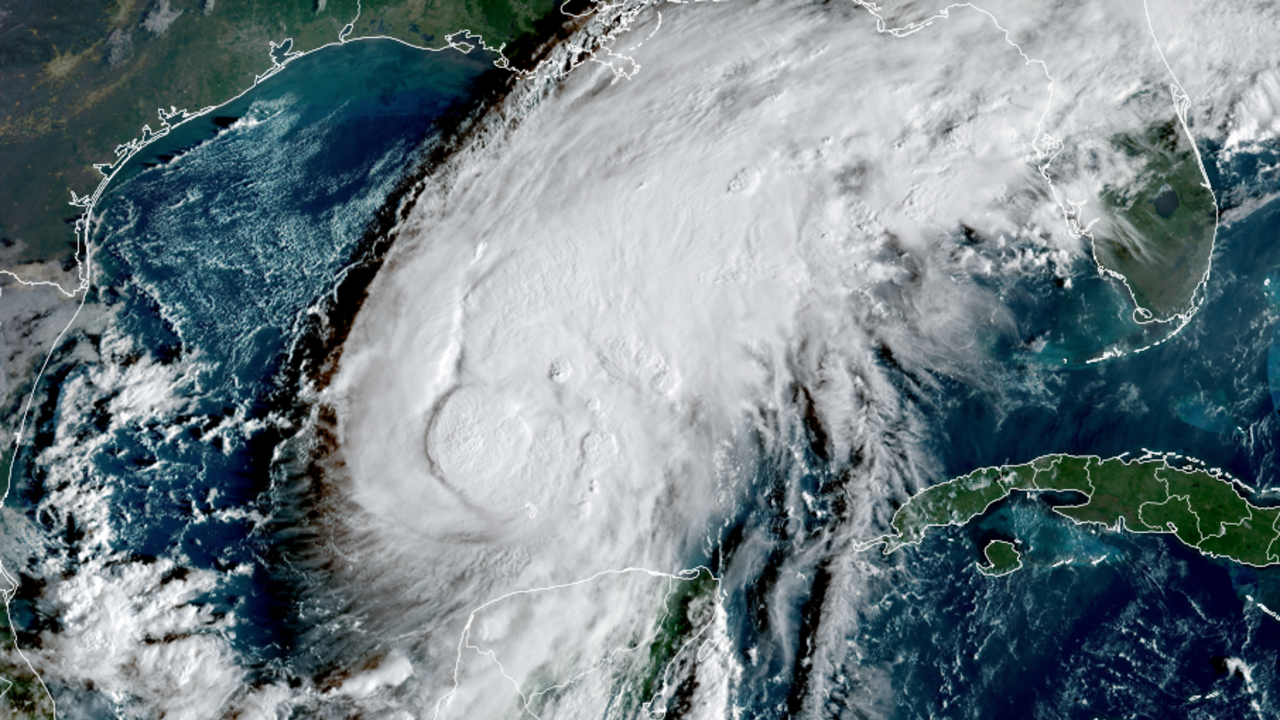
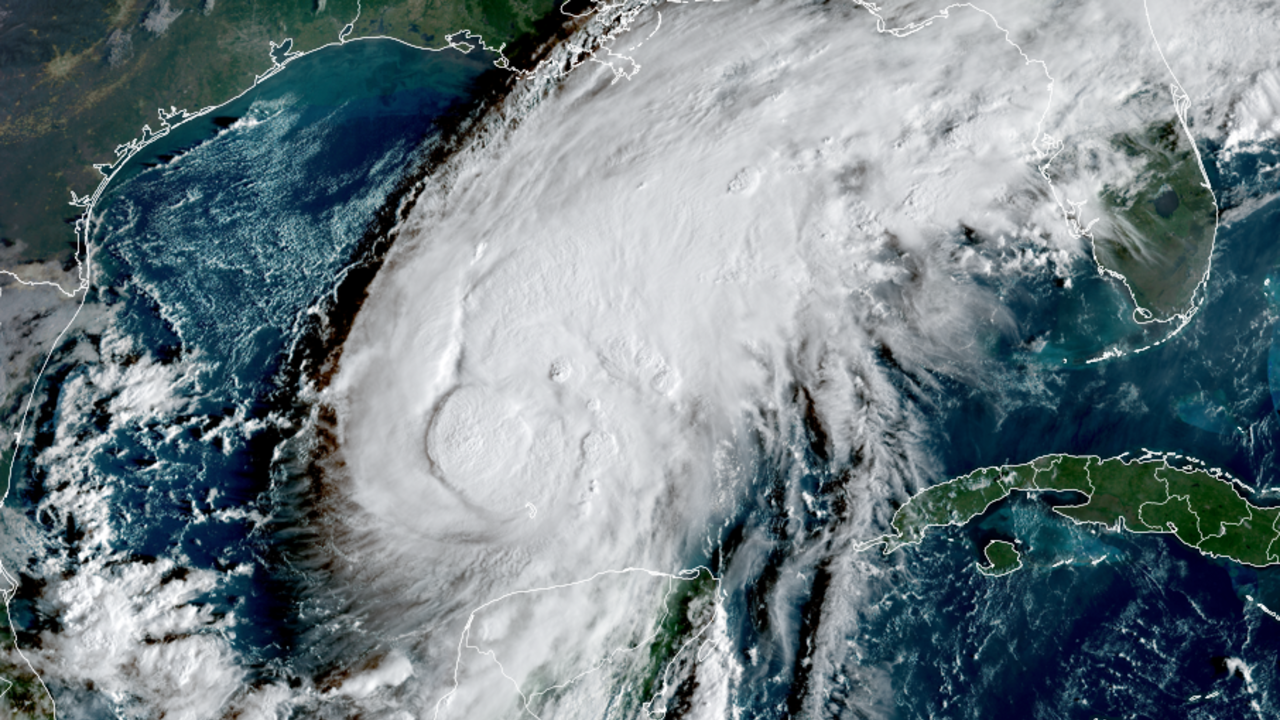
Hurricane Isaias is emerging as a significant test for communities and critical industries along the northern Gulf Coast, with Florida and Alabama preparing for a potentially disruptive landfall late Friday or early Saturday.
The storm has strengthened to hurricane intensity, with maximum sustained winds reported at about 85 mph. Forecasts indicate that its most immediate risks extend well beyond wind damage. Storm surge could reach several feet in vulnerable coastal areas, while heavy rainfall may produce flash flooding and overwhelmed drainage systems. Tornadoes are also possible as outer rain bands move across parts of the Southeast.
The response has already moved beyond routine storm preparation. Communities in exposed areas have begun evacuations, schools have closed in some locations, and emergency agencies are positioning personnel and equipment before conditions deteriorate. The emphasis on early action reflects the difficulty of responding once strong winds and flooding begin to restrict transportation and access.
Isaias also carries a broader economic significance because of its proximity to the Gulf of Mexico's energy infrastructure. Offshore oil and gas operators have suspended portions of production as a precaution, illustrating how a weather event can quickly affect industrial activity far from the communities directly facing the storm. Production interruptions, transportation delays and potential infrastructure damage could create secondary effects across regional energy markets if disruptions persist.
For businesses, the storm presents a compound risk. Coastal companies may face physical damage and temporary closures, while firms farther inland could experience power interruptions, supply-chain delays and transportation problems. Utility companies and emergency crews are therefore mobilizing not only to protect lives and property but also to reduce the duration of economic disruption after the storm passes.
The timing of Isaias is also notable. The 2026 Atlantic hurricane season had remained unusually quiet for an extended period, with meteorologists pointing to El Niño conditions as one factor that generally increases wind shear and makes tropical development more difficult. Conditions in the Gulf later became more supportive of intensification as wind shear weakened while ocean waters remained unusually warm.
That contrast highlights an important feature of modern storm risk: a relatively quiet season does not eliminate the possibility of a high-impact event. Once atmospheric and oceanic conditions become favorable, a system can intensify rapidly and create significant exposure for densely populated communities and strategically important infrastructure.
The longer-term impact will depend heavily on the storm's final track and how quickly affected areas recover. Even after Isaias moves inland, flooding, electricity outages, transportation interruptions and reduced offshore production could continue to affect households and businesses.
For Gulf Coast communities, the immediate priority remains life safety and compliance with evacuation instructions. For the wider economy, however, Isaias demonstrates how a single weather system can connect residential vulnerability, infrastructure resilience, industrial operations and energy-market stability in a matter of hours.
News You Should See
P&G Raises Fiscal 2027 Cost Warning as Oil and Freight Expenses Threaten Profits
Chemical Tank Leak in Toledo Triggers Evacuations and Industrial Disruptions
Judge Sets December 11 Deadline for Trump Deposition in BBC Defamation Case
Iowa Senate Race Tests How Far Republicans Can Separate Themselves From Trump
California State Workers Strike Over Pay, Healthcare and Return-to-Office Rules
Streaming’s October Showdown: How Disney, Netflix and Major Entertainment Brands Compete for Audiences
Latest News
Procter & Gamble expects commodity, energy and transportation costs to reduce fiscal 2027 profit by $1.4 billion. Quarterly sales rose 4% to $23.28 billion, beating analyst expectations.
A ruptured chemical tank in Toledo, Ohio, prompted evacuations, school closures and an industrial shutdown. Authorities have reduced the restricted zone as the release slows and cleanup preparations continue.
A federal judge has ordered Donald Trump to give a deposition by December 11, 2026, in his $10 billion lawsuit against the BBC, with possible sanctions for noncompliance as the discovery deadline approaches.
Iowa’s 2026 Senate race pits Republican Ashley Hinson, balancing Trump support with economic concerns, against Democrat Josh Turek, who emphasizes bipartisanship amid rising campaign spending.
Thousands of California state workers struck on October 21 over a proposed three-year pay increase, healthcare costs and a four-day office attendance requirement as contract negotiations continued.
October 2026 brings major entertainment releases across Disney+, Netflix, HBO Max, Hulu, Prime Video and Peacock. Explore how familiar franchises, exclusive programming, new music and video games shape competition for streaming audiences.
Saudia advises travelers to book flights through Al Qassim Airport for Riyadh connections, offering free hourly shuttle buses in both directions until further notice.
An AP-NORC poll shows Democratic confidence in accurate vote counting falling to 55%, while Republican confidence rises to 38%, highlighting election integrity concerns ahead of the 2026 US midterms.
Donald Trump campaigns in North Carolina ahead of the November 2026 midterms as low approval ratings, rising fuel costs, Democratic early-voting gains and funding disparities challenge Republican efforts to retain control of Congress.