ISS Leak Scare Highlights the Hidden Infrastructure Risks of Human Spaceflight
NASA temporarily moved astronauts into a SpaceX Dragon capsule as concerns over a persistent air leak underscored the aging challenges facing the International Space Station.

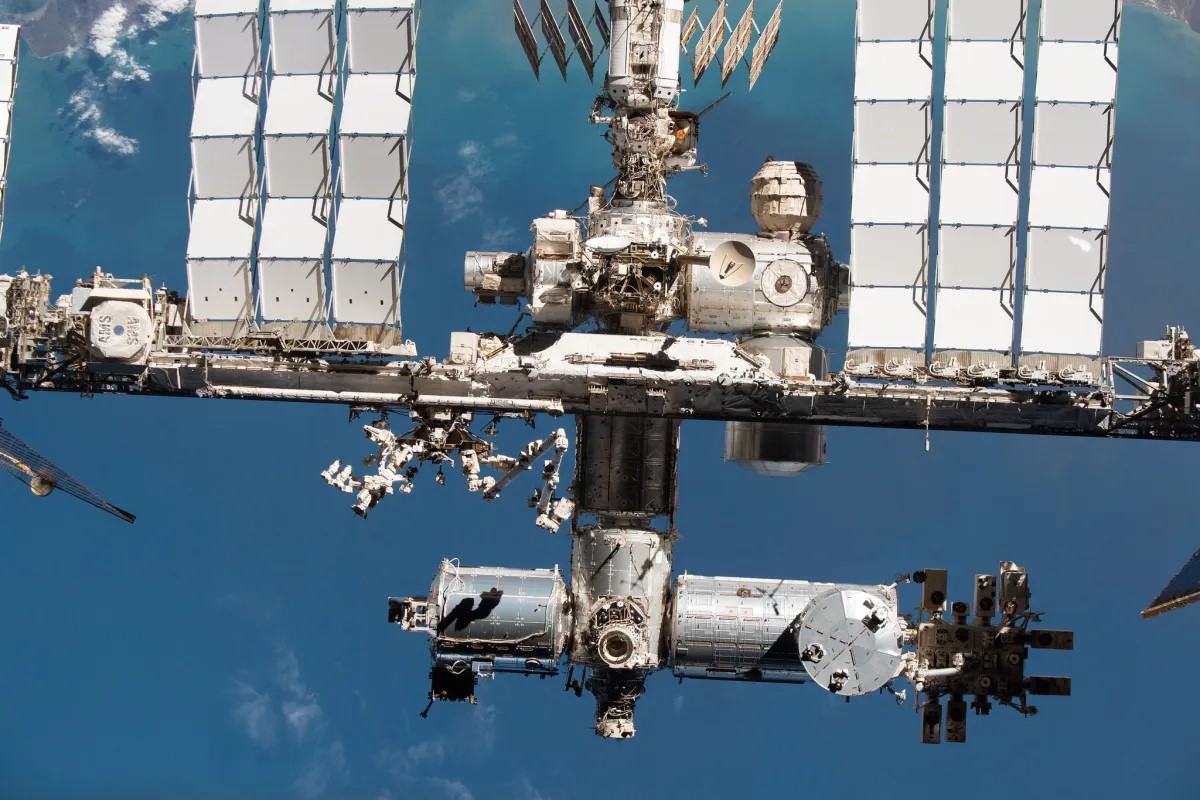
The International Space Station (ISS) experienced another reminder of the challenges associated with maintaining aging orbital infrastructure after NASA temporarily instructed astronauts to shelter inside a docked SpaceX Dragon spacecraft due to concerns surrounding a worsening air leak in the station’s Russian segment. The incident was ultimately resolved without requiring an evacuation, but it highlighted the growing operational pressures facing one of humanity’s most important scientific assets.
According to NASA and international reporting, the precautionary measure was implemented while engineers assessed conditions in the transfer tunnel of the Russian Zvezda service module, an area that has been the subject of leak investigations and repair efforts for several years. Crew members were directed to enter the Dragon spacecraft and prepare for a potential emergency scenario while Roscosmos personnel evaluated repair activities and gathered additional structural data.
The astronauts remained inside the spacecraft for a relatively short period before NASA determined that station operations could safely resume. The agency later authorized the crew to return to normal activities after Russian specialists paused repair work to conduct further analysis.
From an engineering perspective, the event illustrates the complexity of maintaining infrastructure that has operated continuously in orbit for decades. Unlike terrestrial facilities, space stations endure extreme thermal cycles, radiation exposure, micro-meteoroid impacts, material fatigue, and constant pressure differentials. Even minor structural degradation can evolve into significant operational concerns requiring extensive monitoring and international coordination.
The leak itself was linked to a long-running issue in the Russian segment of the station. Reports indicate that engineers have spent years attempting to identify and mitigate the source of pressure losses within the affected module. While previous repairs reduced the severity of the problem, recent measurements suggested that air leakage rates had increased, prompting heightened caution from mission controllers.
The incident also demonstrated the strategic importance of redundancy in human spaceflight systems. SpaceX’s Dragon spacecraft, originally designed as a crew transportation vehicle, effectively serves as an emergency lifeboat while attached to the station. This capability allows astronauts to maintain immediate access to a secure evacuation platform should conditions aboard the station deteriorate unexpectedly.
Beyond operational safety, the event carries broader economic and strategic implications. The ISS remains one of the largest international scientific collaborations ever constructed, supporting research in medicine, materials science, biotechnology, robotics, and space exploration. Any infrastructure issue affecting station operations can influence mission schedules, scientific output, and future planning across multiple space agencies and commercial partners.
The situation arrives at a time when governments and private-sector companies are actively preparing for the next generation of orbital platforms. Commercial space station projects under development by companies such as SpaceX partners, Axiom Space, and other emerging operators are increasingly viewed as successors to aging government-led infrastructure. The recurring leak concerns strengthen arguments for accelerating investment in newer orbital systems designed with modern materials, modular architectures, and long-term sustainability in mind.
From a branding perspective, the episode reinforces the evolving role of commercial aerospace providers in critical space operations. SpaceX’s Dragon system was not merely a transportation vehicle during this event; it functioned as a key safety asset integrated into the station’s emergency response framework. Such incidents further cement the company’s reputation as a central infrastructure partner within the global human spaceflight ecosystem.
For NASA and its international partners, the temporary shelter order ultimately represented a successful demonstration of established safety procedures. Yet the event also serves as a reminder that maintaining orbital infrastructure requires continuous investment, engineering vigilance, and international cooperation. As humanity prepares for future missions to the Moon, Mars, and commercial space stations, lessons learned from the ISS will continue shaping the design and management of the next generation of space habitats.