Jamal Musiala’s Neurological Diagnosis Puts Bayern Munich’s Season Planning Under the Microscope
Two fainting episodes in pre-season have shifted the focus from performance to long-term player welfare, squad planning and Bayern’s risk management.

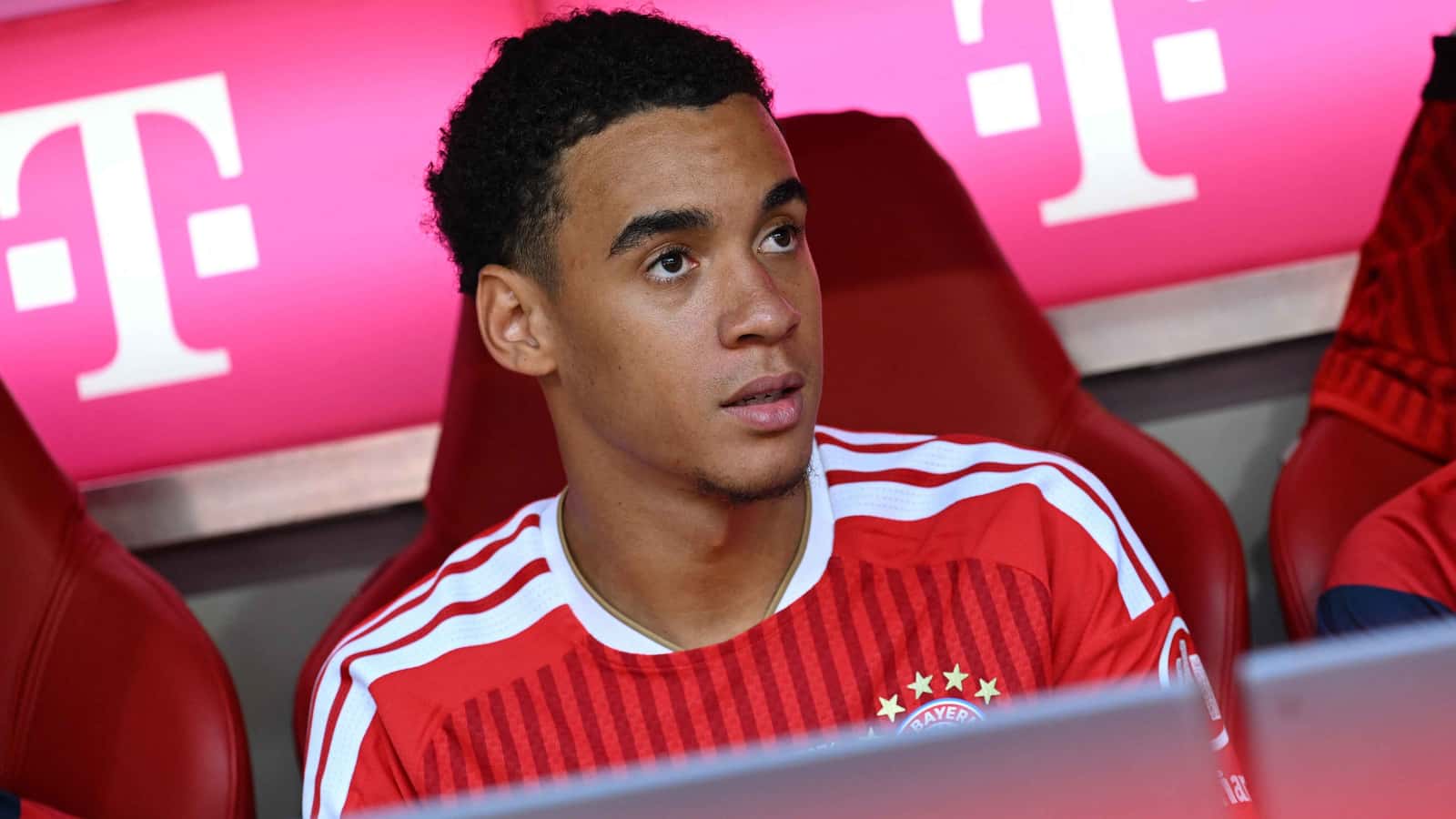
Jamal Musiala’s latest health disclosure has introduced an unexpected variable into Bayern Munich’s preparations for the new season, with the German club now facing a challenge that extends beyond tactical planning and squad depth.
Musiala collapsed during Bayern’s friendly against Heidenheim on August 18, only six minutes after entering the game. The incident came just days after another episode during the club’s meeting with RB Leipzig, making the recurrence the central concern surrounding one of Bayern’s most important young players.
Musiala subsequently addressed the situation himself, explaining that medical specialists had diagnosed him with brief, temporary and treatable absence episodes associated with a neurological dysfunction. He said he is receiving medical care, remains optimistic and does not face an additional health risk according to the assessment he has received. He also emphasized that his intention is to continue playing football in coordination with neurological specialists.
For Bayern, the issue is significant because Musiala is not simply another squad member. At 23, he represents both an established sporting asset and a major component of the club’s long-term identity. His technical profile, age and international standing make him central to Bayern’s sporting project and commercial appeal.
That makes medical management an important part of the club’s broader strategic equation. A modern elite football organization must protect the value of its highest-profile players while ensuring that sporting ambitions do not override medical judgment. The immediate priority is therefore unlikely to be a rapid return at any cost, but a carefully monitored process that balances competition requirements with the player’s wellbeing.
The timing also matters. Musiala’s episodes occurred during pre-season, when Bayern still has room to adjust its squad structure and workload. The club can use that period to assess how much operational flexibility it needs in attacking midfield and how other players can absorb responsibilities if Musiala requires modified training or match exposure.
From a business perspective, the situation highlights the growing importance of player availability as a form of organizational risk. Clubs invest heavily in elite talent through salaries, contracts, commercial partnerships and transfer valuations. Protecting those investments increasingly depends on sophisticated medical departments, individualized workload management and transparent communication.
Musiala’s public statement also carries significance for Bayern’s brand. By speaking directly about his condition while requesting appropriate privacy, the player has framed the issue around responsible medical management rather than speculation. That approach can help the club maintain trust with supporters while limiting unnecessary pressure on the player.
The competitive implications remain uncertain. Bayern will have to prepare for multiple scenarios, ranging from Musiala maintaining his normal footballing routine under specialist supervision to a temporary reduction in his competitive workload. The depth and versatility of the squad could therefore become as important as individual star power during the opening stages of the season.
The broader lesson is that elite football is increasingly shaped by risk management as much as by recruitment and tactics. Bayern’s response to Musiala’s situation will be closely watched because it provides a test of how a leading European club manages the intersection of sporting performance, medical responsibility, asset protection and player autonomy.
For Musiala himself, the immediate objective is straightforward: maintain his health while continuing his career under appropriate specialist supervision. For Bayern, the challenge is larger. The club must ensure that its sporting strategy remains resilient even when one of its most valuable players faces an unexpected medical constraint.
News You Should See
P&G Raises Fiscal 2027 Cost Warning as Oil and Freight Expenses Threaten Profits
Chemical Tank Leak in Toledo Triggers Evacuations and Industrial Disruptions
Judge Sets December 11 Deadline for Trump Deposition in BBC Defamation Case
Iowa Senate Race Tests How Far Republicans Can Separate Themselves From Trump
California State Workers Strike Over Pay, Healthcare and Return-to-Office Rules
Streaming’s October Showdown: How Disney, Netflix and Major Entertainment Brands Compete for Audiences
Latest News
Procter & Gamble expects commodity, energy and transportation costs to reduce fiscal 2027 profit by $1.4 billion. Quarterly sales rose 4% to $23.28 billion, beating analyst expectations.
A ruptured chemical tank in Toledo, Ohio, prompted evacuations, school closures and an industrial shutdown. Authorities have reduced the restricted zone as the release slows and cleanup preparations continue.
A federal judge has ordered Donald Trump to give a deposition by December 11, 2026, in his $10 billion lawsuit against the BBC, with possible sanctions for noncompliance as the discovery deadline approaches.
Iowa’s 2026 Senate race pits Republican Ashley Hinson, balancing Trump support with economic concerns, against Democrat Josh Turek, who emphasizes bipartisanship amid rising campaign spending.
Thousands of California state workers struck on October 21 over a proposed three-year pay increase, healthcare costs and a four-day office attendance requirement as contract negotiations continued.
October 2026 brings major entertainment releases across Disney+, Netflix, HBO Max, Hulu, Prime Video and Peacock. Explore how familiar franchises, exclusive programming, new music and video games shape competition for streaming audiences.
Saudia advises travelers to book flights through Al Qassim Airport for Riyadh connections, offering free hourly shuttle buses in both directions until further notice.
An AP-NORC poll shows Democratic confidence in accurate vote counting falling to 55%, while Republican confidence rises to 38%, highlighting election integrity concerns ahead of the 2026 US midterms.
Donald Trump campaigns in North Carolina ahead of the November 2026 midterms as low approval ratings, rising fuel costs, Democratic early-voting gains and funding disparities challenge Republican efforts to retain control of Congress.