Labubu Craze Sparks Global Counterfeit Crisis, Triggers Safety Warnings
As Labubu plush toys go viral with celebrity backing, counterfeit versions known as "Lafufus" flood the market, prompting global safety crackdowns and lawsuits.

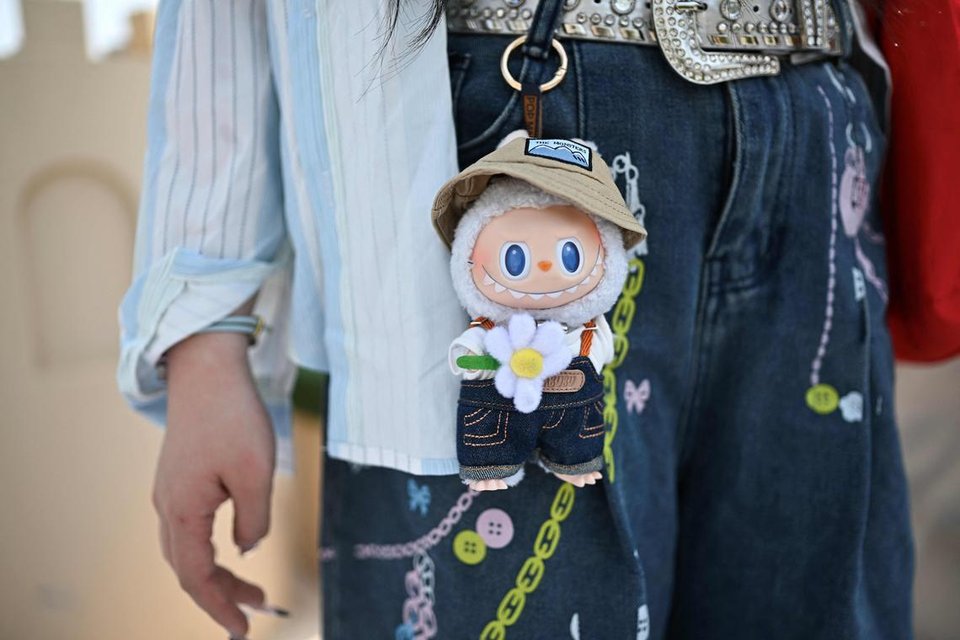
NEW YORK – The global obsession with Labubu plush dolls, beloved by celebrities like Rihanna, Kim Kardashian, and David Beckham, has spawned a dangerous counterfeit wave that’s raising alarms from customs officials to consumer watchdogs across the globe.
These counterfeit toys, dubbed "Lafufus", mimic the quirky charm of Labubus but pose serious safety risks, prompting urgent warnings and legal actions. Despite their fake origins, Lafufus have developed a cult following—underscoring the unpredictable side of viral toy trends.
🚨 Toxic Toys & Global Crackdowns
Pop Mart, the Chinese company behind Labubu since 2019, has seen its revenues soar, reporting over US$1.9 billion in the first half of 2025—already surpassing total 2024 earnings. But with success has come imitation.
The UK’s Chartered Trading Standards Institute issued an “urgent warning” in August, stating the Lafufu fakes are “poorly made” in “unsafe factories” and may contain toxic chemicals linked to organ damage in children. Thousands of dolls were seized across England and Scotland, some tied to organized crime rings.
In Cyprus, more than 1,300 counterfeit Labubu dolls were confiscated in coordinated customs raids. Meanwhile, in the United States, the Consumer Product Safety Commission ordered the seizure of fake Lafufus at ports, citing choking hazards and violations of toy safety regulations.
🧸 From Cute Craze to Consumer Complaints
Labubu’s massive popularity surged after Blackpink’s Lisa shared videos with the dolls in 2024, sparking a collectible frenzy. The dolls are often sold in “blind boxes”, adding an element of surprise—and making it easier for fakes to slip through.
The Better Business Bureau’s “scam tracker” now lists over 100 complaints about fake Labubu products. One Virginia buyer reported receiving defective dolls, including one missing a hand. A California buyer described receiving “broken toys” instead of the real deal.
In China, customs officers have ramped up seizures—confiscating more than 200,000 fake Labubu products in June alone.
⚖️ Pop Mart Takes Legal Action
To combat the surge in counterfeits, Pop Mart’s Singapore subsidiary sued 7-Eleven in California in July, alleging the convenience chain sold fake Labubu products. The lawsuit demands damages, legal fees, and a halt to further counterfeit sales. 7-Eleven has not responded publicly to the case.
The company also applied for a trademark for the term "Lafufu" in China, aiming to regain control of its brand in the face of overwhelming imitation.
🧠 The Rise of "Dupes" in Pop Culture
Experts say the popularity of dupes—once looked down on—has risen alongside social media trends that glamorize “affordable luxury.” But this phenomenon can backfire, says intellectual property attorney Vivek Jayaram: if a company waits too long to act, it risks losing rights to protect its products.
Patent lawyer Case Collard adds:
“When someone’s knocking you off, it means you have a very successful product.”
Still, he notes that viral popularity is a double-edged sword, and companies like Pop Mart face a race to stay ahead of counterfeiters.
🧭 What This Means for Shoppers
For consumers, the message is clear: verify authenticity before purchasing. The Labubu craze may be fun—but fake Lafufus could be dangerous.
And with some collectors now saying the hype may be fading, Pop Mart must act quickly to secure its brand before demand wanes.
News You Should See
P&G Raises Fiscal 2027 Cost Warning as Oil and Freight Expenses Threaten Profits
Chemical Tank Leak in Toledo Triggers Evacuations and Industrial Disruptions
Judge Sets December 11 Deadline for Trump Deposition in BBC Defamation Case
Iowa Senate Race Tests How Far Republicans Can Separate Themselves From Trump
California State Workers Strike Over Pay, Healthcare and Return-to-Office Rules
Streaming’s October Showdown: How Disney, Netflix and Major Entertainment Brands Compete for Audiences
Latest News
Procter & Gamble expects commodity, energy and transportation costs to reduce fiscal 2027 profit by $1.4 billion. Quarterly sales rose 4% to $23.28 billion, beating analyst expectations.
A ruptured chemical tank in Toledo, Ohio, prompted evacuations, school closures and an industrial shutdown. Authorities have reduced the restricted zone as the release slows and cleanup preparations continue.
A federal judge has ordered Donald Trump to give a deposition by December 11, 2026, in his $10 billion lawsuit against the BBC, with possible sanctions for noncompliance as the discovery deadline approaches.
Iowa’s 2026 Senate race pits Republican Ashley Hinson, balancing Trump support with economic concerns, against Democrat Josh Turek, who emphasizes bipartisanship amid rising campaign spending.
Thousands of California state workers struck on October 21 over a proposed three-year pay increase, healthcare costs and a four-day office attendance requirement as contract negotiations continued.
October 2026 brings major entertainment releases across Disney+, Netflix, HBO Max, Hulu, Prime Video and Peacock. Explore how familiar franchises, exclusive programming, new music and video games shape competition for streaming audiences.
Saudia advises travelers to book flights through Al Qassim Airport for Riyadh connections, offering free hourly shuttle buses in both directions until further notice.
An AP-NORC poll shows Democratic confidence in accurate vote counting falling to 55%, while Republican confidence rises to 38%, highlighting election integrity concerns ahead of the 2026 US midterms.
Donald Trump campaigns in North Carolina ahead of the November 2026 midterms as low approval ratings, rising fuel costs, Democratic early-voting gains and funding disparities challenge Republican efforts to retain control of Congress.