Major Genetic Study Uncovers 48 New Regions Linked to Alzheimer's Risk
An analysis of genetic data from 2.8 million people offers new insights into the role of brain immune cells and neurons in Alzheimer's disease, opening potential directions for future research and treatment.


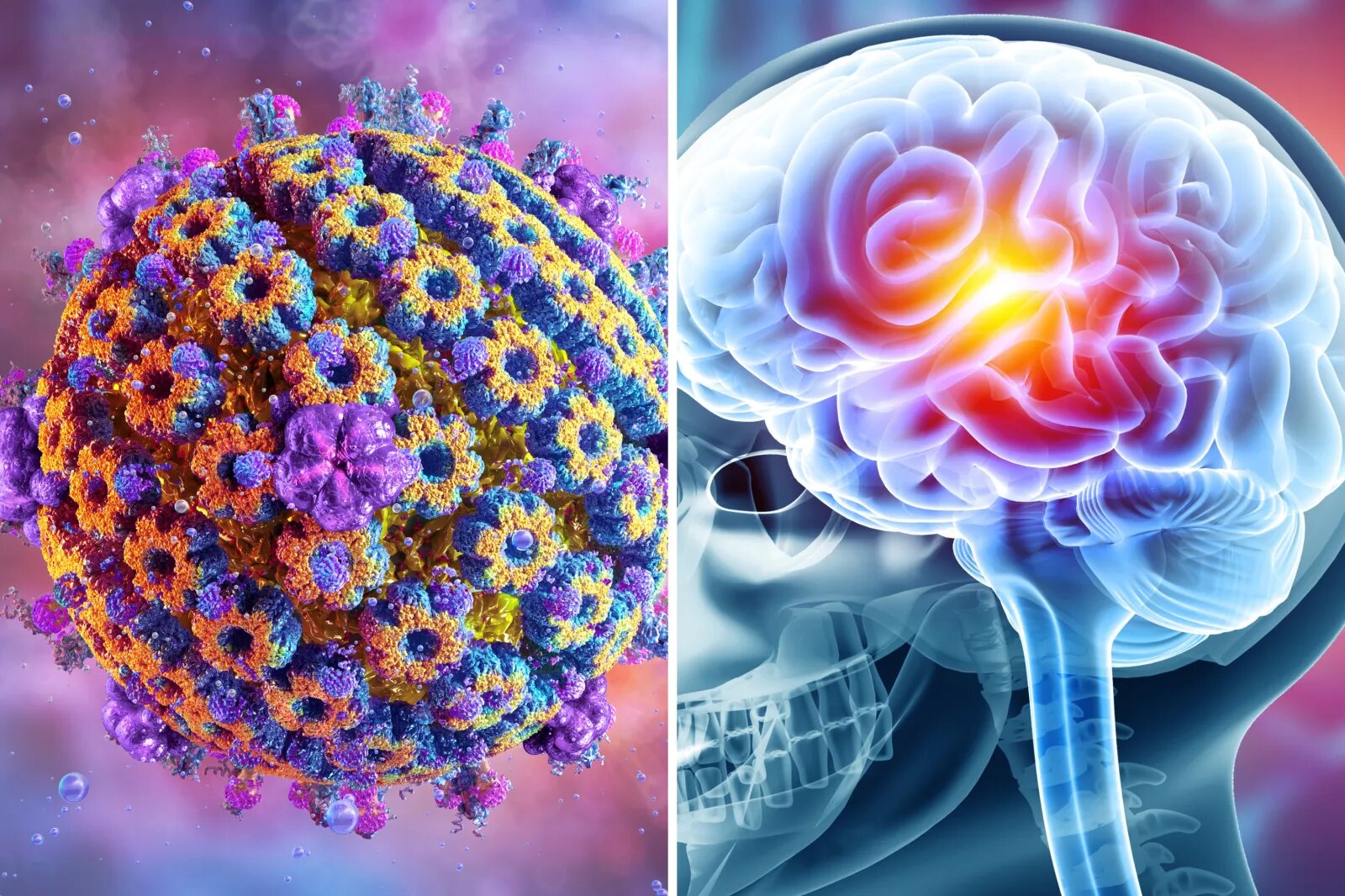
A large international genetic study has identified 48 previously unrecognized regions of the human genome associated with Alzheimer's disease risk, providing researchers with a more detailed picture of the biological factors involved in the condition.
The research, published in Nature, combined data from 30 research groups and examined genetic information from approximately 2.8 million people, including 183,620 individuals diagnosed with Alzheimer's disease. Across this population, scientists identified 127 genomic regions associated with the likelihood of developing the condition.
The scale of the analysis makes the findings particularly significant: nearly half of the identified regions had not previously been linked to Alzheimer's risk in this context.
Brain immune cells emerge as an important research focus
Among the study's most notable findings is further evidence implicating microglia, the immune cells responsible for helping the brain remove harmful substances and damaged cellular material.
Researchers identified genetic signals associated with microglial activation and the recruitment of immune cells, strengthening the case for investigating how immune-related processes contribute to Alzheimer's disease.
The findings also point toward the involvement of particular types of neurons. For the first time, the researchers identified several specific neuronal populations enriched for genetic signals associated with the disease, offering additional directions for studying how Alzheimer's develops.
Another biological process highlighted by the analysis involves amyloid processing. Amyloid is a protein that can accumulate in the brain after Alzheimer's onset, and the genes identified in the study provide further clues about the mechanisms associated with its processing.
A broader picture of inherited risk
Emil Uffelmann of Vrije Universiteit Amsterdam, one of the study's authors, told Newsweek that the research identified 48 new genomic regions associated with Alzheimer's risk and highlighted the potential importance of microglia and specific neuronal populations.
He also noted that common genetic variants appear to contribute more substantially to Alzheimer's risk than previously estimated. This suggests that larger genetic studies may continue to uncover additional factors involved in the disease.
The research was led by the University of Oslo and Oslo University Hospital in Norway, working with an international research consortium.
From genetic discoveries to future treatment research
The findings could help scientists identify biological mechanisms that may eventually become targets for treatment development. By connecting genetic signals with particular brain cells and cellular processes, the study offers a more detailed framework for investigating the disease.
However, the researchers emphasized that improved genetic risk prediction remains a research tool rather than an established clinical application. The findings do not yet provide a basis for routine clinical prediction or treatment decisions.
The study's wider contribution lies in expanding the map of genetic factors associated with Alzheimer's and identifying new questions for future investigation. Understanding how these genetic signals interact with brain immune cells, neurons and amyloid-related processes may help guide the next stages of research into the disease..
News You Should See
Seattle Communities Celebrate Holiday Season with Local Markets and Cultural Activities
Nvidia's AI Dominance Faces Conflicting Expectations as Industry Demand Accelerates
Signal Strengthens Mobile Privacy Protections Amid Growing AI Surveillance Concerns
AI Agents Transform Messaging Apps Into Everyday Digital Assistants
Roma Crush Parma 5-1 as Donyell Malen Scores Four Goals
Vivo Prepares Three New Budget Smartphones with 6,500mAh Batteries and Updated Features
Latest News
Explore holiday markets, handmade gifts, live music, and cultural events in Shoreline and Lake Forest Park, Washington, on November 22.
Nvidia faces contrasting industry expectations as AI demand grows, with its financial performance and leadership shaping the future of computing.
Signal introduces mobile screenshot restrictions on Android and iOS as concerns grow over AI-powered surveillance and digital privacy.
AI agents are transforming messaging platforms by helping users organize daily activities, plan travel, manage work, and complete everyday tasks.
Donyell Malen scores four goals as Roma defeat Parma 5-1, while Lazio beat Lecce 3-0 in another important Serie A result.
Vivo's upcoming budget phones reportedly feature 6,500mAh batteries, 6.74-inch displays and different camera and charging specifications.
Carlos Espi scores a late winner as Real Madrid defeat Celta Vigo 2-1, despite Kylian Mbappé missing a penalty.
Google Pixel 11 reportedly features the Tensor G6 processor, 256GB storage and 25W wireless charging, alongside familiar camera and display features.
Felix Nmecha plays a crucial role as Borussia Dortmund defeat Borussia Mönchengladbach, strengthening their Bundesliga campaign.