Palm Oil Giants Pivot to AI Data Centres and Solar Farms in Malaysia
From plantations to tech hubs: How palm oil firms are leveraging land and solar power to attract AI data centres.

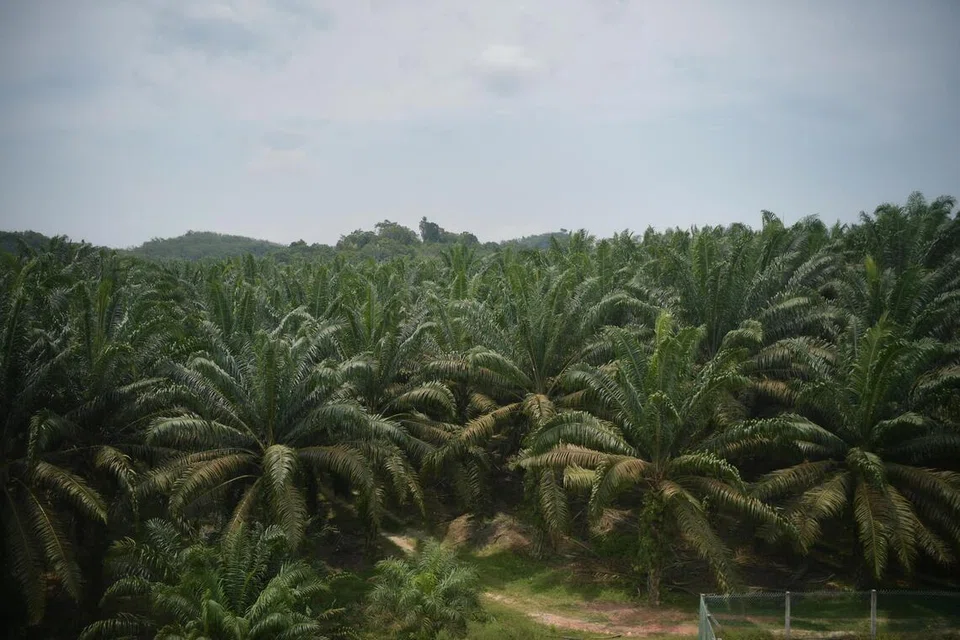
Kuala Lumpur – Malaysia’s palm oil companies, long criticized for deforestation, toxic haze, and threatening orangutan populations, are shifting focus to attracting artificial intelligence (AI) data centres to the country. These firms are allocating portions of their extensive land holdings for industrial parks with data centres and solar panels to meet the high energy demands of these facilities.
Data centres require substantial power and space. By 2035, they could consume at least five gigawatts of electricity in Malaysia, nearly 20 percent of the country’s current generation capacity, enough to power a major city. Palm oil companies control more land than any other private entities, making them well-positioned to accommodate the growing demand. Malaysia has seen a rapid rise in data centre development, with the fastest growth in the Asia-Pacific region in 2024. Around 40 percent of planned capacity in Southeast Asia is slated for Malaysia, according to industry consultant DC Byte.
Over the past four years, $34 billion in data centre investments have flowed into Malaysia, including commitments from Google, Microsoft, and Amazon. The government aims to have 81 data centres operational by 2035. The surge is partly a spillover from Singapore, where a moratorium on new centres has pushed operators to Malaysia, particularly Johor, which has become a hub for construction and server farms hosting companies such as Singtel, Nvidia, and ByteDance. Meeting government promises of renewable power, however, remains a challenge. Sedenak Tech Park in Johor has informed potential tenants that water and power connections will only be available in late 2026 under its second-phase expansion. The vacancy rate in Johor’s operational facilities is just 1.1 percent, yet there is still capacity for growth, with six gigawatts expected to be built over time.
This situation has led palm oil companies like SD Guthrie to position themselves as both landowners and suppliers of green energy. SD Guthrie, the world’s largest palm oil producer by acreage, controls over 340,000 hectares in Malaysia and plans to convert old rubber estates and low-yield palm plots into solar farms and industrial parks. The company aims to generate one gigawatt of solar power within three years, sufficient to power up to ten hyperscale AI data centres. This new business is expected to account for about a third of the company’s profits by the end of the decade.
Other companies are following suit. Kuala Lumpur Kepong (KLK) has launched KLK TechPark with a 607-hectare site in partnership with BYD, China’s electric car manufacturer, and plans a second, larger park in Johor. IOI Corporation has allocated plantation land for solar projects, targeting at least 300 megawatts, though no deals have been finalized. Together, these three companies dominate Malaysia’s land holdings.
The potential profitability of solar is significant. A Maybank report in 2024 estimated that large-scale solar operations could be more than 50 times more profitable than palm oil cultivation. Smaller firms, such as Gopeng, have already seen a turnaround by entering renewable energy.
However, the shift comes with risks. Data centres require carefully chosen locations, and mistakes can be costly. Tropical heat also increases energy consumption for cooling by approximately 25 percent compared to cities like London.
Environmental experts remain skeptical about the broader impact. While solar projects may reduce carbon footprints and improve ESG ratings, palm oil remains the core business. The industry has a long history of deforestation and habitat loss, particularly in Malaysia and Indonesia, where up to 60 percent of rainforest in Malaysian Borneo was destroyed between 1973 and 2015. Critics argue that adding green projects does not address the fundamental environmental and social issues associated with palm oil operations.
Palm oil companies’ move into renewable energy and data centre development represents a strategic attempt to diversify and enhance profitability. However, the core environmental challenges of palm oil production remain, and the new initiatives alone are unlikely to substantially alter the companies’ overall environmental impact.
News You Should See
P&G Raises Fiscal 2027 Cost Warning as Oil and Freight Expenses Threaten Profits
Chemical Tank Leak in Toledo Triggers Evacuations and Industrial Disruptions
Judge Sets December 11 Deadline for Trump Deposition in BBC Defamation Case
Iowa Senate Race Tests How Far Republicans Can Separate Themselves From Trump
California State Workers Strike Over Pay, Healthcare and Return-to-Office Rules
Streaming’s October Showdown: How Disney, Netflix and Major Entertainment Brands Compete for Audiences
Latest News
Procter & Gamble expects commodity, energy and transportation costs to reduce fiscal 2027 profit by $1.4 billion. Quarterly sales rose 4% to $23.28 billion, beating analyst expectations.
A ruptured chemical tank in Toledo, Ohio, prompted evacuations, school closures and an industrial shutdown. Authorities have reduced the restricted zone as the release slows and cleanup preparations continue.
A federal judge has ordered Donald Trump to give a deposition by December 11, 2026, in his $10 billion lawsuit against the BBC, with possible sanctions for noncompliance as the discovery deadline approaches.
Iowa’s 2026 Senate race pits Republican Ashley Hinson, balancing Trump support with economic concerns, against Democrat Josh Turek, who emphasizes bipartisanship amid rising campaign spending.
Thousands of California state workers struck on October 21 over a proposed three-year pay increase, healthcare costs and a four-day office attendance requirement as contract negotiations continued.
October 2026 brings major entertainment releases across Disney+, Netflix, HBO Max, Hulu, Prime Video and Peacock. Explore how familiar franchises, exclusive programming, new music and video games shape competition for streaming audiences.
Saudia advises travelers to book flights through Al Qassim Airport for Riyadh connections, offering free hourly shuttle buses in both directions until further notice.
An AP-NORC poll shows Democratic confidence in accurate vote counting falling to 55%, while Republican confidence rises to 38%, highlighting election integrity concerns ahead of the 2026 US midterms.
Donald Trump campaigns in North Carolina ahead of the November 2026 midterms as low approval ratings, rising fuel costs, Democratic early-voting gains and funding disparities challenge Republican efforts to retain control of Congress.