Trump Gives Russia Sanctions Decision a 60-Day Review as Energy Costs Rise
Secretary of State Marco Rubio says the administration needs time to assess how proposed sanctions and tariffs could affect the U.S. economy, global energy markets and countries dependent on Russian oil.

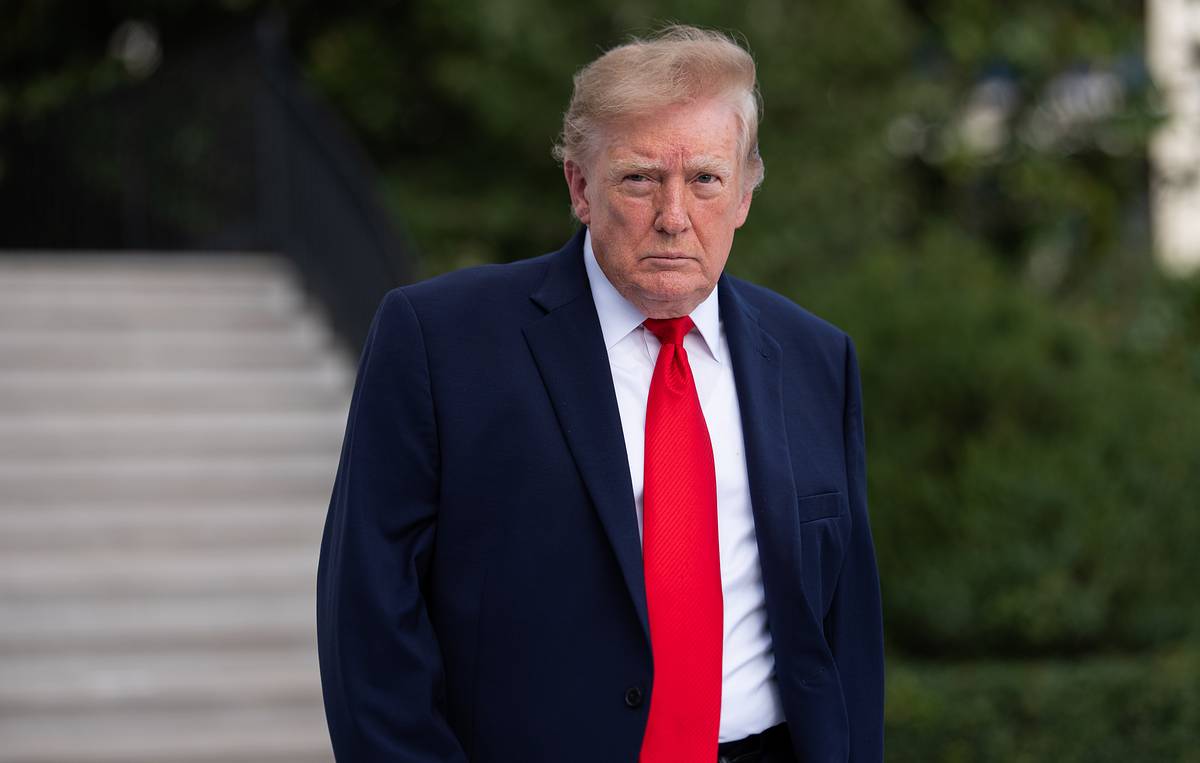
The Trump administration is reassessing the economic and geopolitical consequences of additional measures against Russia, with Secretary of State Marco Rubio indicating that President Donald Trump intends to use up to 60 days to evaluate the impact of sanctions and tariffs that were recently waived. The review comes as rising energy costs, disruptions to global oil supplies and the war in Ukraine place competing demands on U.S. foreign policy.
Trump signed an executive order on Friday waiving key provisions of the Graham Act, legislation approved last month to intensify economic pressure on Moscow over its war in Ukraine. The law provides for tariffs on Russian goods and penalties targeting countries that purchase Russian oil and gas. The measures were scheduled to take effect the following week, but the administration's latest move has postponed their implementation while officials assess the broader consequences.
Rubio said the president wants to examine how enforcing the restrictions could affect both the U.S. economy and international markets. The executive order did not specify the duration of the waiver, but Rubio described the intended assessment period as lasting up to 60 days. Trump has not announced a final decision on whether the measures will ultimately be implemented.
Energy Costs Become a Central Consideration
The review comes at a sensitive point for the U.S. economy, with energy prices under pressure from disruptions associated with the war involving Iran and other regional tensions affecting supply. Fuel costs have become a significant domestic concern in the weeks leading up to November's midterm elections, adding an economic dimension to decisions that also carry major foreign policy implications.
Restricting Russian energy exports or penalizing countries that purchase them could reshape trade flows and increase the cost of securing alternative supplies. The effects would depend on the scope of enforcement, the availability of replacement sources and the ability of importing countries to adjust their energy procurement strategies.
India presents a particular challenge for Washington. Although the country has diversified its energy sources, it remains heavily dependent on Russian oil. Under the Graham Act, tariffs on countries purchasing Russian energy could therefore affect a major U.S. partner while complicating broader efforts to coordinate pressure on Moscow.
For the administration, the review creates an opportunity to weigh the intended political and strategic benefits of sanctions against their potential effects on fuel prices, international trade and relations with countries that maintain commercial ties with Russia.
Russian Diesel Supplies Add Another Economic Dimension
The sanctions review is taking place alongside a separate agreement intended to increase Russian diesel supplies to global markets. Trump said Russia would initially supply more than 300,000 metric tons of diesel to the United States, with additional shipments expected in November and beyond.
Rubio defended the arrangement, arguing that Russian diesel would reach international markets regardless and that the agreement would determine how much of that supply went to the United States. The administration has presented the arrangement as part of its response to fuel-market disruptions and rising prices.
The two developments illustrate the difficulty of separating economic policy from geopolitical objectives. Washington is considering restrictions designed to increase the cost of Russia's actions in Ukraine while also facilitating access to Russian fuel as energy markets face supply pressures.
For businesses and energy-market participants, the implications will depend on whether the additional diesel volumes materialize, how quickly they enter distribution networks and whether the broader supply disruption eases. Greater availability could help relieve some immediate pressure, although the effect on retail fuel prices would also depend on transportation costs, refining capacity, demand and developments elsewhere in the energy market.
Political Disagreement Over Pressure on Moscow
The decision to waive the sanctions has drawn criticism from Ukrainian President Volodymyr Zelensky, who warned that easing economic pressure could strengthen Russian President Vladimir Putin's position and prolong the war.
Senator Darline Graham, a South Carolina Republican whose late brother Lindsey Graham championed the legislation, also opposed the move. She said she favored maintaining pressure on Russia and planned to discuss the decision with Trump during his campaign visit to the state the following week.
The disagreement highlights the competing priorities facing Washington: sustaining economic pressure intended to influence Russia's conduct, limiting the domestic cost of energy disruptions and preserving relationships with countries whose energy needs complicate the enforcement of sanctions.
The administration's approach also raises questions about the practical reach of restrictions that extend beyond Russia to its trading partners. Measures targeting purchases of Russian energy can have consequences for countries that are not directly involved in the war, potentially creating diplomatic friction and encouraging importers to seek alternative suppliers.
What the Review Could Mean for Markets
The next 60 days could provide a clearer indication of how the administration intends to balance sanctions policy with energy affordability and international trade. A decision to implement the measures could increase pressure on Russian exports while creating adjustment costs for importers and businesses exposed to the affected trade routes. Extending or maintaining the waiver could reduce some immediate risks to energy supply but weaken the intended economic pressure on Moscow.
The outcome will depend on the administration's assessment of domestic economic conditions, global fuel availability and the diplomatic consequences of the available options. Developments in the conflicts affecting energy supplies will also influence the calculations, as disruptions could change the economic cost of restricting Russian exports.
For now, the waiver does not amount to a definitive abandonment of the sanctions framework. It creates a period for further evaluation, leaving governments, energy companies and commodity traders to monitor whether Washington ultimately prioritizes stronger economic pressure on Russia or greater flexibility in managing fuel supplies and prices.
News You Should See
P&G Raises Fiscal 2027 Cost Warning as Oil and Freight Expenses Threaten Profits
Chemical Tank Leak in Toledo Triggers Evacuations and Industrial Disruptions
Judge Sets December 11 Deadline for Trump Deposition in BBC Defamation Case
Iowa Senate Race Tests How Far Republicans Can Separate Themselves From Trump
California State Workers Strike Over Pay, Healthcare and Return-to-Office Rules
Streaming’s October Showdown: How Disney, Netflix and Major Entertainment Brands Compete for Audiences
Latest News
Procter & Gamble expects commodity, energy and transportation costs to reduce fiscal 2027 profit by $1.4 billion. Quarterly sales rose 4% to $23.28 billion, beating analyst expectations.
A ruptured chemical tank in Toledo, Ohio, prompted evacuations, school closures and an industrial shutdown. Authorities have reduced the restricted zone as the release slows and cleanup preparations continue.
A federal judge has ordered Donald Trump to give a deposition by December 11, 2026, in his $10 billion lawsuit against the BBC, with possible sanctions for noncompliance as the discovery deadline approaches.
Iowa’s 2026 Senate race pits Republican Ashley Hinson, balancing Trump support with economic concerns, against Democrat Josh Turek, who emphasizes bipartisanship amid rising campaign spending.
Thousands of California state workers struck on October 21 over a proposed three-year pay increase, healthcare costs and a four-day office attendance requirement as contract negotiations continued.
October 2026 brings major entertainment releases across Disney+, Netflix, HBO Max, Hulu, Prime Video and Peacock. Explore how familiar franchises, exclusive programming, new music and video games shape competition for streaming audiences.
Saudia advises travelers to book flights through Al Qassim Airport for Riyadh connections, offering free hourly shuttle buses in both directions until further notice.
An AP-NORC poll shows Democratic confidence in accurate vote counting falling to 55%, while Republican confidence rises to 38%, highlighting election integrity concerns ahead of the 2026 US midterms.
Donald Trump campaigns in North Carolina ahead of the November 2026 midterms as low approval ratings, rising fuel costs, Democratic early-voting gains and funding disparities challenge Republican efforts to retain control of Congress.