US Judge Blocks Taxpayer-Funded Trump Ads Amid Election Campaign Concerns
A New York federal judge temporarily blocked taxpayer-funded ads featuring Trump amid allegations that the campaign-style messages could benefit Republican candidates ahead of the November 3 midterm elections.

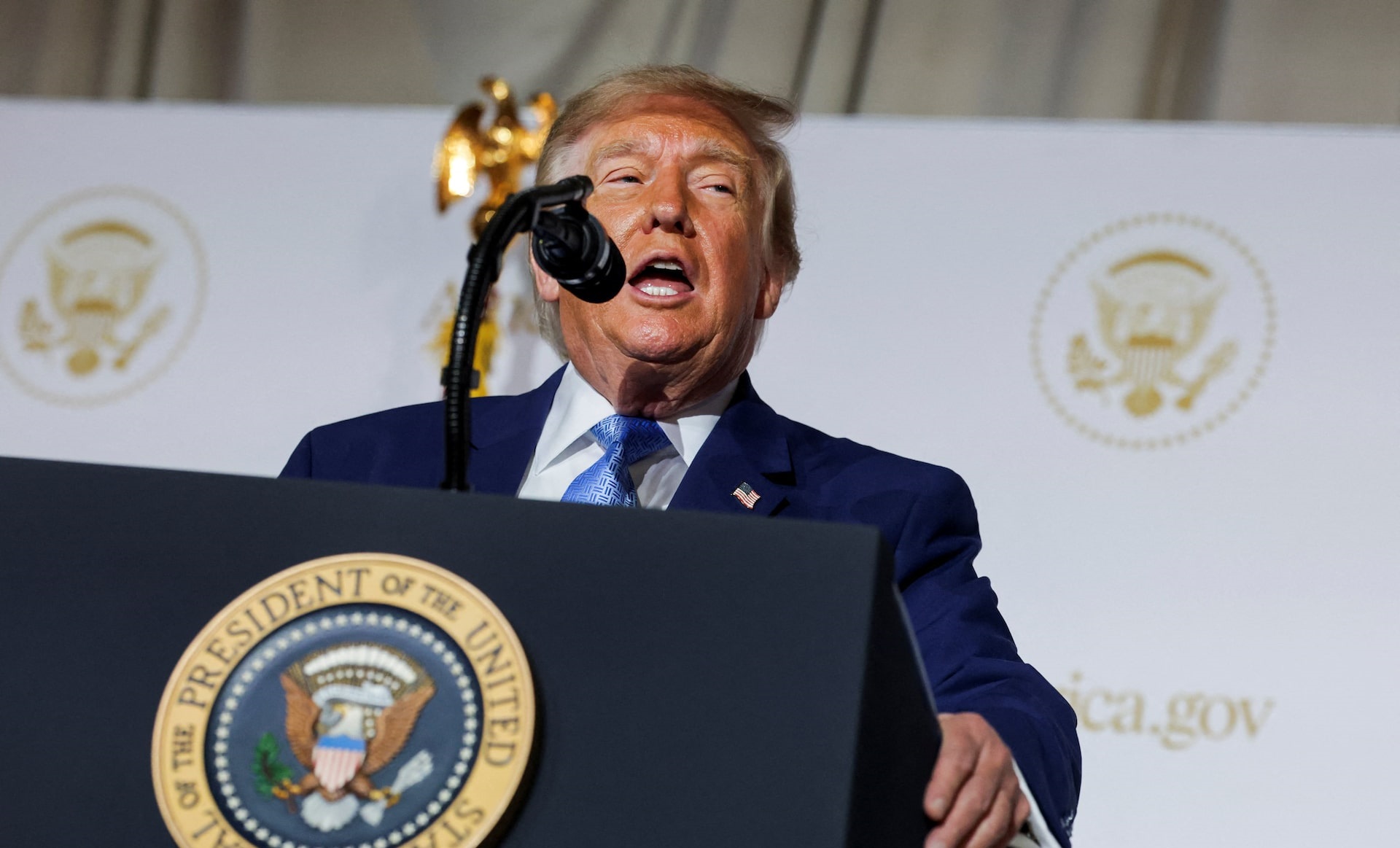
A federal court's decision to temporarily block the use of taxpayer money for television advertisements featuring President Donald Trump has brought renewed attention to the limits of government-funded communications during an election campaign. Beyond the immediate legal dispute, the case raises questions about public spending, political accountability and the distinction between official government messaging and partisan promotion.
The ruling, issued by a federal judge in New York, followed a lawsuit filed by government-accountability organization Common Cause, a public employee union and a candidate for the Alabama state legislature. The plaintiffs argued that the advertisements served a political purpose by promoting messages that could benefit Republican candidates ahead of the November 3 midterm elections, rather than providing information necessary for the public.
The commercials began airing in late September and appeared during prominent television programming, including football games and Saturday Night Live. Their placement increased scrutiny of the administration's decision to finance advertisements featuring the president with public money, particularly as the country approached a major electoral contest.
The dispute highlights a fundamental issue in public administration: government agencies routinely communicate with citizens, but the use of public funds becomes more contentious when the content, presentation or timing of those communications resembles political campaigning. The central question is whether the expenditure can be justified by a legitimate public-service objective or whether it crosses into activity that primarily benefits a political figure or party.
For taxpayers, the issue extends beyond the content of any single advertisement. Public funding is intended to support government functions and services, and decisions about its use require accountability. When government-financed messages feature a sitting president, clear standards for their purpose and funding become particularly important to maintaining public confidence in the neutrality of government institutions.
The Trump administration had indicated that it intended to discontinue the advertisements before the court issued its temporary order. Trump defended the campaign as a positive effort to promote the United States, while the White House said that any future advertisements would be financed by MAGA PAC, his political action committee.
However, the proposed change in funding does not resolve every issue raised by the case. The White House also said the political committee would not reimburse taxpayers for commercials that had already aired. Those advertisements carried a disclaimer identifying the US government as their payer, a detail that places the source of financing at the center of the controversy.
The distinction between government and political funding has broader implications for campaign strategy. Moving future advertising expenses to a political committee could separate the cost of subsequent messaging from the public budget, but it does not automatically settle questions about earlier expenditures or determine whether the original campaign complied with applicable legal requirements. Those questions remain subject to the legal process.
The case also illustrates how advertising decisions can become a reputational issue for an administration. High-profile television placements can deliver broad exposure, but the use of public money for messages featuring a political leader can generate scrutiny that extends beyond the intended promotional impact. The resulting debate may shift attention from the advertised message to the administration's spending decisions and its standards for political neutrality.
The controversy has drawn criticism from both political parties, while Democratic officials pursued separate legal action in another federal court. The Justice Department did not immediately respond to a request for comment. The existence of multiple legal challenges indicates that the dispute is part of a wider debate over the appropriate boundaries of government communications during an election period.
The judge's order is temporary and should not be interpreted as a final resolution of the underlying claims. Its broader significance lies in the questions it brings into focus: how government-funded advertising should be evaluated, what safeguards are necessary when official communications feature elected leaders, and how public institutions can demonstrate that taxpayer resources are being used for public rather than partisan purposes.
As the November 3 midterm elections approach, the case could intensify scrutiny of government advertising practices and reinforce the importance of transparent funding arrangements. The eventual legal outcome will help determine the consequences of this particular dispute, while the broader policy challenge remains ensuring that public communication serves a defensible public purpose without blurring the line between official responsibilities and electoral politics.
News You Should See
P&G Raises Fiscal 2027 Cost Warning as Oil and Freight Expenses Threaten Profits
Chemical Tank Leak in Toledo Triggers Evacuations and Industrial Disruptions
Judge Sets December 11 Deadline for Trump Deposition in BBC Defamation Case
Iowa Senate Race Tests How Far Republicans Can Separate Themselves From Trump
California State Workers Strike Over Pay, Healthcare and Return-to-Office Rules
Streaming’s October Showdown: How Disney, Netflix and Major Entertainment Brands Compete for Audiences
Latest News
Procter & Gamble expects commodity, energy and transportation costs to reduce fiscal 2027 profit by $1.4 billion. Quarterly sales rose 4% to $23.28 billion, beating analyst expectations.
A ruptured chemical tank in Toledo, Ohio, prompted evacuations, school closures and an industrial shutdown. Authorities have reduced the restricted zone as the release slows and cleanup preparations continue.
A federal judge has ordered Donald Trump to give a deposition by December 11, 2026, in his $10 billion lawsuit against the BBC, with possible sanctions for noncompliance as the discovery deadline approaches.
Iowa’s 2026 Senate race pits Republican Ashley Hinson, balancing Trump support with economic concerns, against Democrat Josh Turek, who emphasizes bipartisanship amid rising campaign spending.
Thousands of California state workers struck on October 21 over a proposed three-year pay increase, healthcare costs and a four-day office attendance requirement as contract negotiations continued.
October 2026 brings major entertainment releases across Disney+, Netflix, HBO Max, Hulu, Prime Video and Peacock. Explore how familiar franchises, exclusive programming, new music and video games shape competition for streaming audiences.
Saudia advises travelers to book flights through Al Qassim Airport for Riyadh connections, offering free hourly shuttle buses in both directions until further notice.
An AP-NORC poll shows Democratic confidence in accurate vote counting falling to 55%, while Republican confidence rises to 38%, highlighting election integrity concerns ahead of the 2026 US midterms.
Donald Trump campaigns in North Carolina ahead of the November 2026 midterms as low approval ratings, rising fuel costs, Democratic early-voting gains and funding disparities challenge Republican efforts to retain control of Congress.